HYBE is currently the leader in global market value and chart dominance. On the other hand, SM Entertainment is the foundational giant that created the industry’s vocal and training standards.
In this article, I’m going to walk you through why these two are always being compared, how their music sounds different, and which groups you should check out first.
Make sure to read until the end to discover the sound you might like!
HYBE Groups vs. SM Groups: Key Differences at a Glance
Choosing between a HYBE group and an SM group is like choosing between a global pop blockbuster and a high-concept experimental film. Both are great, but the “vibe” is totally different.
Here is the quick cheat sheet for how they stack up against each other:
| Feature | HYBE Labels | SM Entertainment |
|---|---|---|
| Management Style | Multi-label system (Independent creative control) | Systematic “Center” system (Unified production) |
| Core Sound | Global Pop, Hip-Hop, “Easy Listening” | Experimental, Neo-Soul, Layered Vocals |
| Main Focus | Storytelling, Relatability, Social Media | Technical Skill, Performance, Visual “Lore” |
| Key Groups | BTS, SEVENTEEN, NewJeans, LE SSERAFIM | TVXQ!, EXO, Red Velvet, NCT, aespa |
| Market Cap | $10.21 Billion USD | $1.69 Billion USD |
It’s easy to focus on HYBE’s massive success or SM’s long history, but both companies have shaped the K-pop we love today.
Let’s go into more details, shall we?
SM Entertainment: The “Founding Father” of K-Pop
SM is basically the “Original Gangster” of K-pop. They started everything back in the 90s and created the training system that everyone else uses now.
When you see an SM group, you can expect technical perfection. They are famous for the “SM Vocal Style, which basically means their singers sound like they were trained to perform at the opera. They love layered harmonies and powerful high notes that give you chills.

This focus on perfection goes beyond just the music and right into their storytelling. They collaboratively produced a unified narrative referred to as the SM Culture Universe (SMCU) and called “Kwangya” by fans. It’s kind of like the movie universe for superhero films, except with K-pop idols.
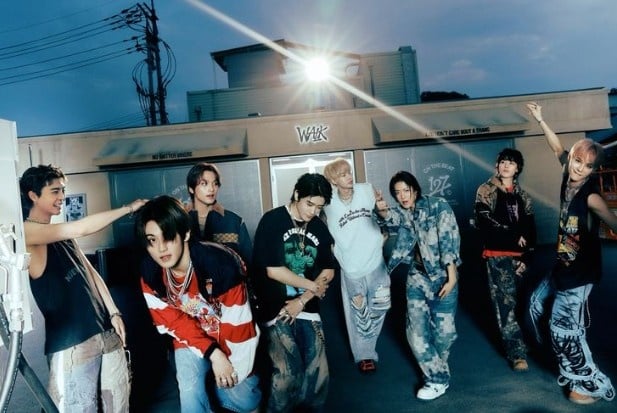
Be it aespa fighting off a digital baddie, or NCT travelling through dreams, each group is part of one larger story. The lore is very cool, but also hard to wrap your head around, making being a fan feel like a club you are afraid to join.
HYBE Labels: The Global Trendsetters
HYBE grew from a small company into a global empire by doing things a bit differently. Their secret is the “Multi-Label” system, where they own several smaller labels like ADOR and Pledis that operate with their own creative freedom.
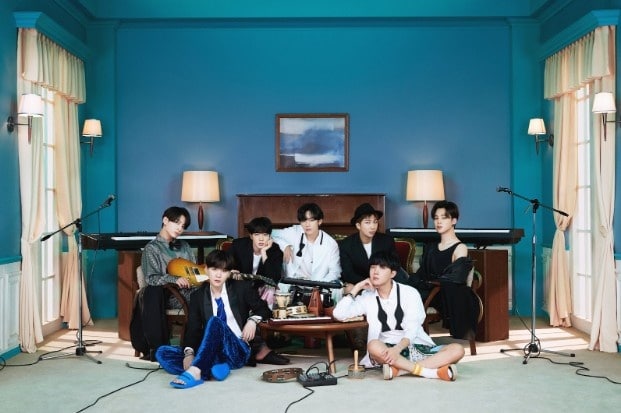
This is the reason the groups come across as so different from each other, yet all carry the identity of a very grounded and conversational nature. They want their music to be relatable, like lyrics about growing up and how hard it is to be young.

HYBE idols are marketed to feel more like friends with whom you are growing rather than larger-than-life characters. They also lead the industry in social media engagement, using platforms like Weverse and TikTok to keep fans feeling connected to the members’ daily lives.
Music Style & Performance: Which Sound Suits You?
When it comes to the music itself, these two companies have very different philosophies.
They really enjoy genre-bending within one song. It may initially come off as a little too “noisy” or complicated, but these songs generally have a tendency to set trends while everyone else plays catch-up.
In contrast, HYBE centers on a rather Pop-Centric trend. Teaming up with international producers to create a catalogue of “Easy Listening” songs, easy on the ears, and pop in its essence. That doesn’t mean their music is easy, but it is meant to be immediately appealing to everyone.
Training & Audition Systems
The way these companies train their future stars also shows their different goals. SM is like the “Harvard” of K-pop. They look for the famous “SM Visual”—idols who look like they belong in a fairytale.
Their training is notoriously strict, especially with vocals. There’s a common joke among fans that SM idols can sing in perfect pitch while doing a backflip. They value technical ability and a squeaky-clean image above content.
In contrast, HYBE focuses on finding “Artist-Producers.” They encourage their trainees to participate in songwriting and production from a very early age. They don’t just want a perfect face, but want to hear your personal message. They focus on making idols feel “real” and grounded so that fans can actually relate to them.
Key Groups of SM Entertainment
These groups are the perfect example of the technical talent and high-concept art that SM loves to show off.
- EXO
EXO is the legendary group that brought back physical album sales in a huge way. They are famous for their “superpower” concept, but their real strength is their vocal line.

Baekhyun, D.O., and Chen rank among the top K-Pop vocalists ever. They have an incredible body of work showcasing how R&B and pop can be mixed.
- Red Velvet
Red Velvet has become synonymous with its “Two Sides of One Coin” concept. Their ‘Red’ side is uplifting, colorful, and quirky, while the ‘Velvet’ side has a much more sophisticated approach to R&B.
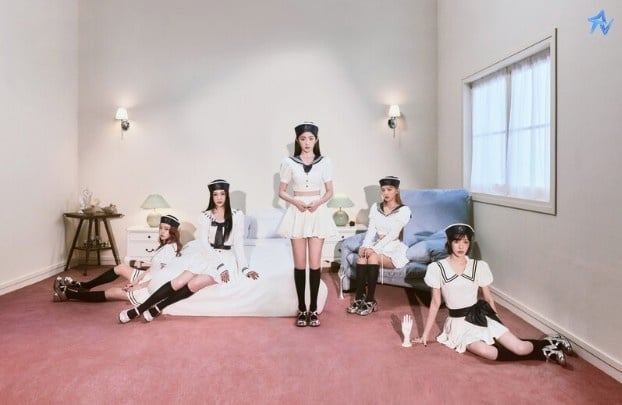
The creative and artistic quality of most of the music videos produced by the HYBE Group is unparalleled in the music video industry. They have produced music that reflects the creativity of the artist through the development of harmony and originality of musical ideas.
- aespa
aespa is the leader of the modern “metaverse” and high-tech trend. Every member has a digital avatar, and their music is very punchy and futuristic.

They are the face of the “Kwangya” story, and their powerful performances have made them a dominant force. They represent the cool, tech-forward version of the classic SM style.
Key Groups of HYBE Entertainment
HYBE groups are the ones currently setting the trends with their global digital presence and relatable storytelling.
- BTS
BTS is the biggest K-pop group right now; they are now a global phenomenon who changed the music industry forever. They are loved for their deep lyrics about mental health and the incredibly strong bond between the seven members.

They went from being underdogs to the global kings of K-pop. Their music covers almost every genre, but it is always tied together by their honest, personal journey.
- SEVENTEEN
Known as the “Performance Kings,” SEVENTEEN is famous for being incredibly synchronized despite having 13 members. They are a “self-producing” group, meaning they handle their own songwriting and choreography.
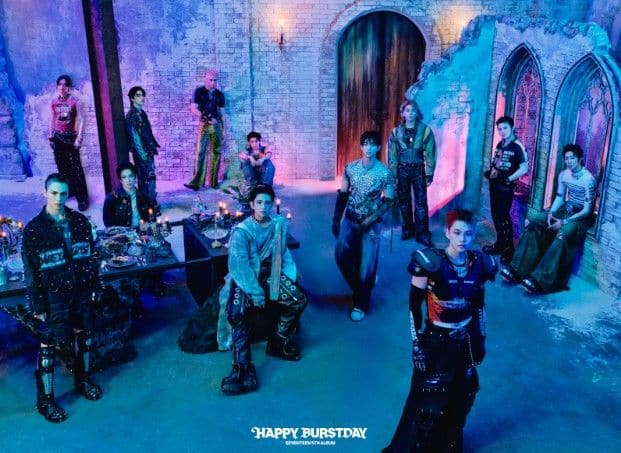
Their stages are theatrical and high-energy. It feels like a massive party every time they perform. They are highly respected for their immense work ethic and group synergy.
- NewJeans
NewJeans completely reset the industry with their “natural” 2000s Y2K vibe. They moved away from loud sounds and focused on chill, “easy-listening” R&B that is super vibey.

Their debut was a massive cultural shift that prioritized catchy melodies and a relaxed visual style. They represent the new wave of K-pop that is trendy and easy for anyone to love.
Conclusion: SM is the Master of Technical Perfection, and HYBE is the Leader of Global Trends
SM Entertainment is for you if you love vocal powerhouses and music that feels like a big, artistic experiment. On the other hand, HYBE Labels is perfect if you want relatable stories and global pop hits that get stuck in your head.
Both of these companies have made K-pop what it is today, and they both have amazing groups for you to discover. After hearing about their styles, which label’s “vibe” do you think you’ll be adding to your playlist first?
More Related Reads:
FAQs
In terms of market capitalization and revenue, HYBE is currently much larger. Their market value is significantly higher, largely due to the massive global success of BTS.
SM, YG, and JYP were the original “Big 3” companies that built the K-pop industry from the ground up. They earned this title because they created the modern idol training system and produced the biggest stars of the 1st and 2nd generations.
Historically, groups like TVXQ! and EXO are considered their most successful. TVXQ! is a legend in the Japanese market, and EXO dominated the 3rd generation, becoming the first group in years to sell over a million physical copies of an album.
This is a popular term used by fans to refer to the seven members of BTS. It is a title given by the fandom to acknowledge their unprecedented global success and the way they paved the road for K-pop in the West.
They attempted to buy a controlling share in early 2023, but the deal eventually fell through. SM is now officially under a company called Kakao, though HYBE and SM still cooperate on business projects, like using the Weverse fan platform.