If you’ve ever stayed up until 4:00 AM for a comeback or felt the pain of a sold-out tour screen, you know K-pop is more than music. To locals (the people who aren’t in the fandom yet), the way K-pop took over the world looks like digital sorcery. But for those of us who have been here for years, we know how it is.
The industry has mastered the art of making music travel across borders. From the Big 4 agencies like HYBE and SM to smaller labels, everyone uses a specific playbook.
In this article, I’ll give you a breakdown of why K-pop travels so fast and how the gears actually turn behind the scenes.
Quick Summary: Why K-pop Travels So Fast
Here is a quick table on why K-Pop travels so fast:
| Driver | Key Impact | Real-World Example |
|---|---|---|
| Digital-First Strategy | Global access via YouTube or TikTok | Zero region-locking on videos |
| Visual Viral Hooks | Choreography made for social media | Super Shy (NewJeans) |
| Organized Fandoms | Fans acting as marketing teams | Fan-led translations |
| Hybrid Localization | Music that feels global yet unique | English choruses |
| Western Infrastructure | Direct access to US markets | Label partnerships (HYBE x Geffen) |
Now that you know the basics, let’s get into more detail.
The “No Gatekeeping” Strategy in K-pop
While the Western music industry spent years fighting the internet, K-pop labels leaned into it. They realized early on that free content is the best marketing.
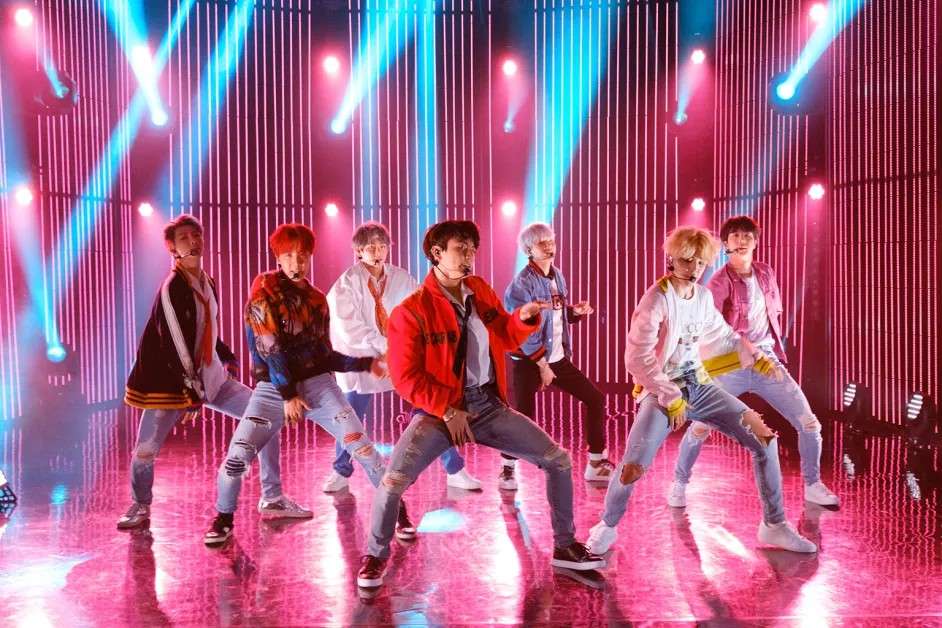
Unlike J-pop in the 2010s, K-pop rarely uses geoblocking. A fan in Brazil can watch a new music video at the exact same second as a fan in Seoul. This instant access removes the “foreign” barrier immediately.
But the strategy extends far beyond just the music itself. Labels constantly flood YouTube with content, such as variety shows like Run BTS! This nonstop stream of entertainment builds an incredibly strong parasocial connection between idols and fans.

At some point, it stops feeling like you simply stan an artist. It starts to feel like you actually know them. That emotional attachment keeps fans invested even during long gaps between comebacks.

Then the algorithm takes over. Through constant teaser drops, behind-the-scenes clips, dance practices, livestreams, and challenge videos, K-pop groups remain permanently embedded in your “Recommended” feed.
Kpop Dance Moves That Are Engineered To Be Viral
In the age of TikTok, K-pop has become the ultimate form of visual currency. The music is designed to be seen just as much as it is meant to be heard.

Nearly every major hit comes with a signature “point dance.” A point dance is an easy-to-copy move created for short-form content and viral challenges. These encourage millions of fans and casual listeners to promote the song for free through dance covers, edits, and challenges.

Music videos play an equally important role in K-pop’s global reach. Entertainment companies pour massive budgets into every comeback, turning each release into something that feels closer to a sci-fi film or luxury fashion campaign than a standard MV.

That visual spectacle helps K-pop transcend the language barrier entirely. You don’t need to understand Korean to appreciate the cinematic world-building, styling, choreography, or “visuals.” When the aesthetics are that strong, and the face card never declines, the music travels globally regardless of the lyrics.
Kpop Fandoms as Decentralized Marketing Agencies
K-pop fandoms are arguably the most organized digital communities in the world. When a group announces a comeback, fans don’t just stream the music casually; they become a professional marketing team.
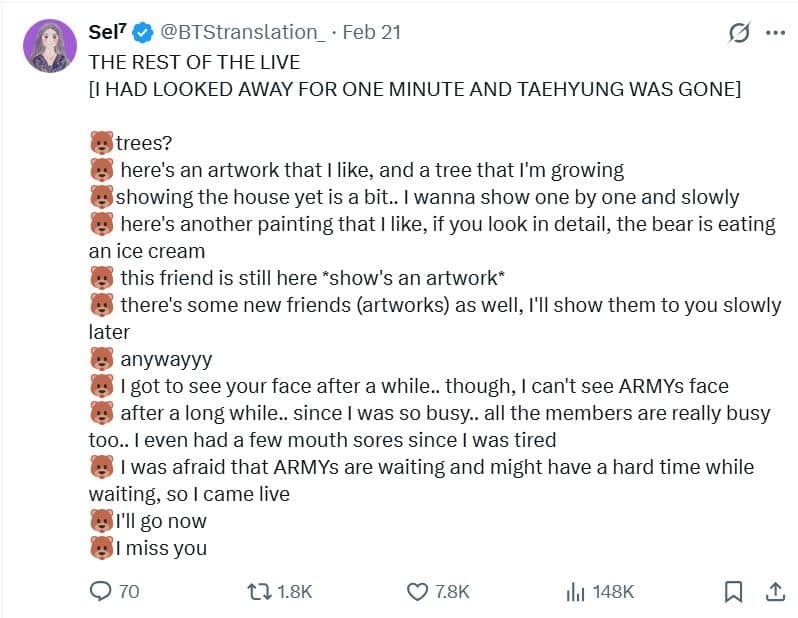
Within minutes of a new interview, livestream, or variety appearance, fan-subbing teams are already translating the content into dozens of languages. That level of speed and coordination removes the “foreign artist” barrier that historically limited the global reach of non-English acts.
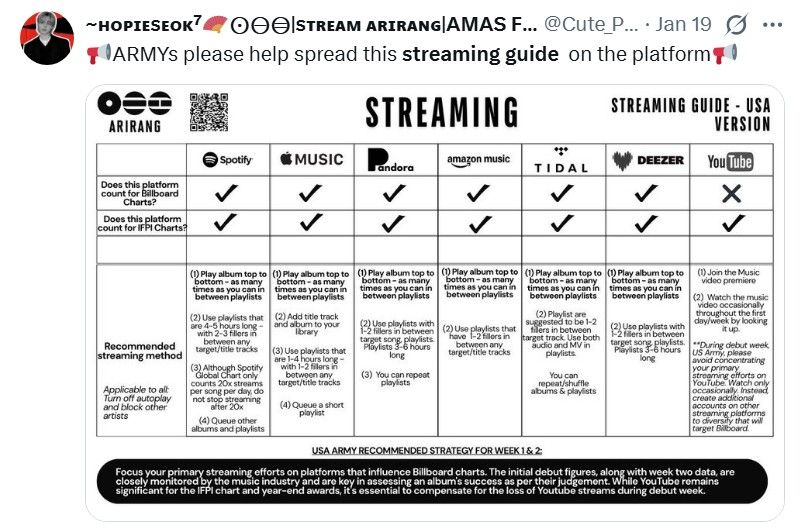
But the organization goes even deeper than translations. Fandoms create detailed streaming guides, coordinate hashtag campaigns, and set collective goals to trigger algorithm boosts across platforms like Spotify and Billboard. Through sheer coordination, they push songs onto global charts and force casual listeners to pay attention.
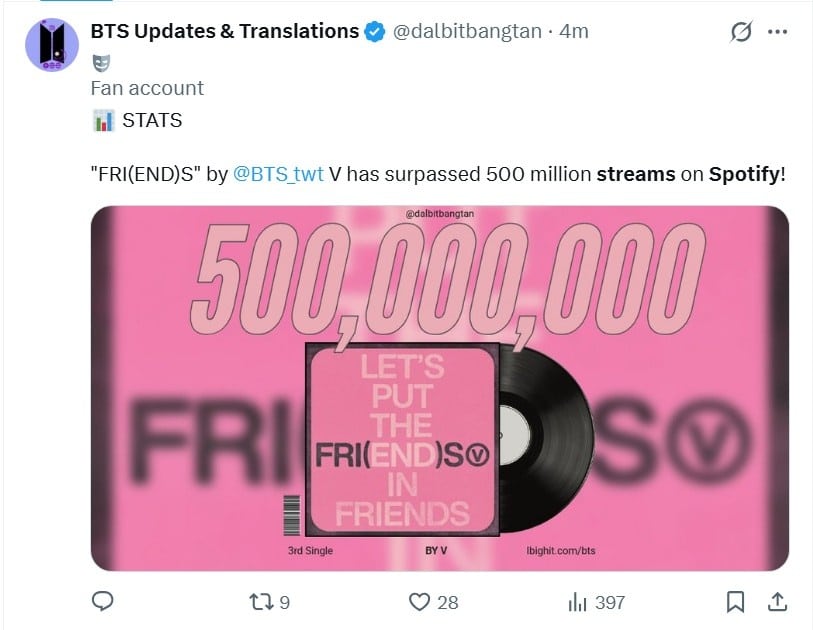
Once a song starts trending internationally, curiosity does the rest. People click because everyone else is talking about it, and suddenly the track spreads far beyond the fandom itself.
Globalization vs. Localization in K-pop
K-pop has evolved into a true global hybrid. It is familiar enough for Western audiences to instantly connect with, while still staying deeply rooted in its Korean identity.
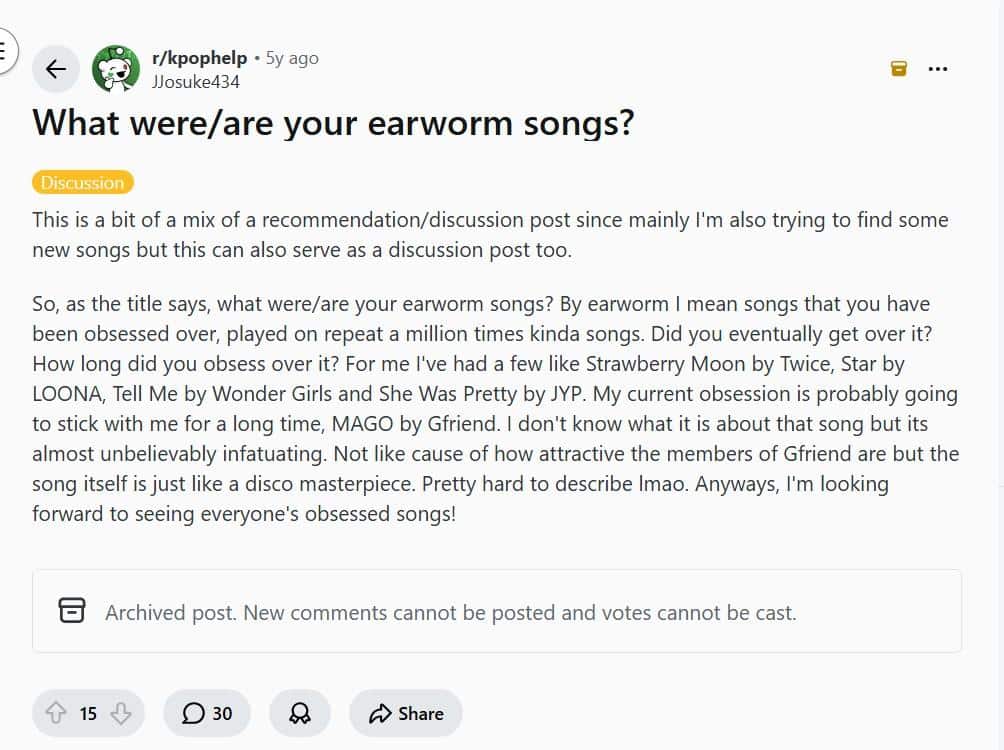
One of the clearest examples is the way K-pop songs are structured. Almost every major release includes an English “earworm” line in the chorus that gets stuck in your head after a single listen.
Entertainment companies have also redefined what a K-pop group looks like on the global stage.

Many modern groups now include members from countries like Thailand, Japan, Australia, China, Canada, or the United States. Idols such as Lisa and Hanni give their groups an immediate connection to audiences in those regions.
Strategic Western Partnerships and the “Coachella Effect”
The final piece of K-pop’s global rise is industry integration. In simple terms, K-pop companies are no longer operating separately from the Western music industry but working directly with it.
Major Korean agencies regularly partner with American labels like Capitol Records and Geffen Records to help promote their artists worldwide. That means K-pop songs now have a much better chance of getting radio play, playlist placement, and visibility on platforms like Spotify.
This is why you suddenly started seeing K-pop everywhere, from “Today’s Top Hits” playlists to mainstream award shows and TikTok trends.

Music festivals have also played a huge role in changing public perception. When groups headline massive festivals like Coachella or Lollapalooza, they perform in front of thousands of people who may not even listen to K-pop.
A lot of casual listeners become fans after watching just one festival performance clip online. It starts with curiosity, then suddenly you’re learning members’ names, watching fancams at 2 a.m., and arguing about bias rankings on the timeline.
Conclusion: Is the K-pop Formula Sustainable?
K-pop spread across the world so quickly because it was practically built for the internet era.
Instead of depending on radio or TV, K-pop grew through social media, streaming platforms, YouTube content, and fan communities. That made it possible for groups to reach global audiences directly, no matter where fans lived or what language they spoke.
As long as labels keep innovating and fandoms keep their “all-kill” energy, this model will continue to dominate.
Now, if you’ll excuse us, we have photocards to trade and a bias to defend.
FAQs
K-pop is especially popular in countries like South Korea, Japan, the United States, Thailand, Indonesia, the Philippines, and Brazil. Thanks to platforms like YouTube and TikTok, fandoms now exist in almost every part of the world.
There’s no fixed retirement age for K-pop idols. Many idols continue performing into their 30s and even 40s, although some shift into acting, solo music, producing, or entertainment careers after group promotions slow down.
Several idols are considered among the highest earners, including members of BTS and BLACKPINK. Earnings come from music, touring, luxury brand deals, acting, and business ventures, making exact rankings difficult to confirm.
Not really. While some people feel the industry has become more competitive and saturated, K-pop continues to grow globally through tours, festivals, streaming, and social media. New generations of groups keep bringing in fresh fans every year.
DDU-DU DDU-DU by BLACKPINK is widely recognized as one of the fastest K-pop music videos to hit 1 billion YouTube views, helping cement the group’s global impact.