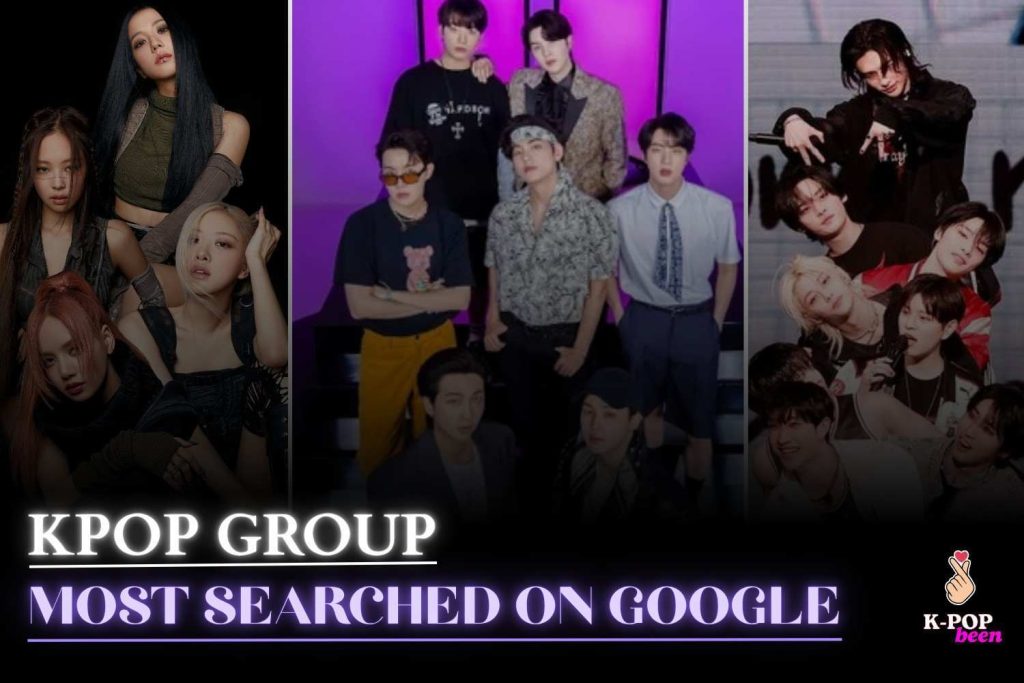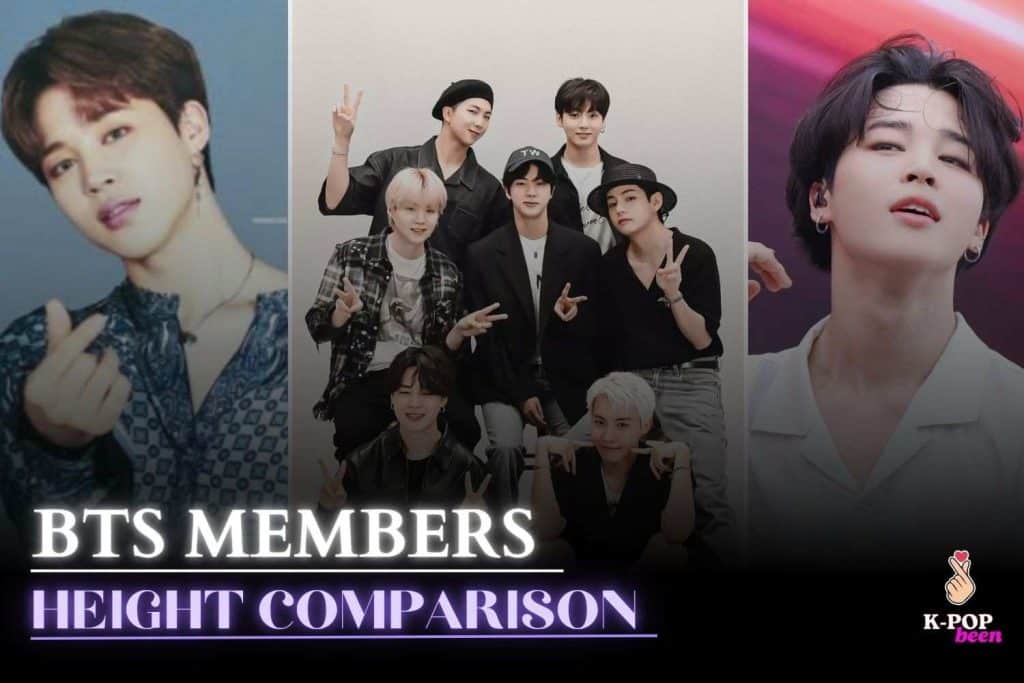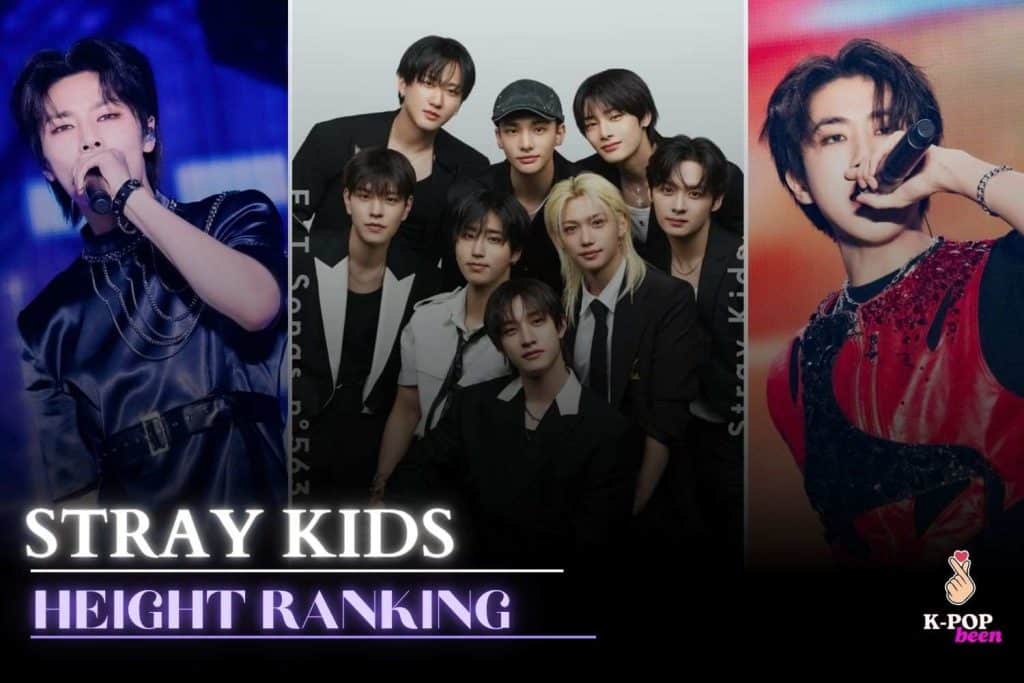
The 3rd Generation of K-pop from 2012 to around 2018/2019 is the period when Kpop was in its golden era. It’s the time when bands like BTS, BLACKPINK, EXO, and TWICE, groups that went way past Korea.
On Twitter, they connected with fans, while YouTube made their music videos go viral. K-pop wasn’t just a Korean thing anymore during this time. It became something everyone could love, no matter where you lived.
Let me show you what made this time so special, list all the big groups, talk about the top 10, and explain why it still matters today.
What Is 3rd Generation K-Pop?
Basically, 3rd Gen K-pop is all the groups that started around 2012 up until about 2018/2019. Back then, things changed a lot.
This was the time when groups didn’t just perform on Korean shows; they went to places like Madison Square Garden and even appeared on TV shows in the US, like Jimmy Fallon.

Social media played a special role here by making it easier to reach fans everywhere. That’s when K-pop stopped being just a Korean trend and started feeling… global.
Complete List Of 3rd Gen K-Pop Groups
So many good groups started during this time. Big companies like SM and JYP launched their groups, but small companies also brought out new faces with cool sounds.
Here’s a list of the big 3rd Gen groups and when they started.
| Group Name | Gender | Debut Year | Company |
|---|---|---|---|
| EXO | Male | 2012 | SM Entertainment |
| BTS | Male | 2013 | Big Hit Music |
| Red Velvet | Female | 2014 | SM Entertainment |
| MAMAMOO | Female | 2014 | RBW |
| GOT7 | Male | 2014 | JYP Entertainment |
| TWICE | Female | 2015 | JYP Entertainment |
| SEVENTEEN | Male | 2015 | Pledis Entertainment |
| MONSTA X | Male | 2015 | Starship Entertainment |
| DAY6 | Male | 2015 | JYP Entertainment |
| GFRIEND | Female | 2015 | Source Music |
| iKON | Male | 2015 | YG Entertainment |
| BLACKPINK | Female | 2016 | YG Entertainment |
| NCT | Male | 2016 | SM Entertainment |
| SF9 | Male | 2016 | FNC Entertainment |
| ASTRO | Male | 2016 | Fantagio |
| Weki Meki | Female | 2017 | Fantagio |
| Stray Kids | Male | 2018 | JYP Entertainment |
| (G)I-DLE | Female | 2018 | Cube Entertainment |
| ATEEZ | Male | 2018 | KQ Entertainment |
| fromis_9 | Female | 2018 | Pledis Entertainment |
| IZ*ONE | Female | 2018 | Off The Record |
| Wanna One | Male | 2017 | YMC Entertainment |
| PRISTIN | Female | 2017 | Pledis Entertainment |
| PENTAGON | Male | 2016 | Cube Entertainment |
| WINNER | Male | 2014 | YG Entertainment |
| LOONA | Female | 2018 | BlockBerry Creative |
| The Boyz | Male | 2017 | Creker Entertainment |
| Dreamcatcher | Female | 2017 | Dreamcatcher Company |
| Victon | Male | 2016 | Play M Entertainment |
| CLC | Female | 2015 | Cube Entertainment |
Every group did its own thing. Some tried wild experiments, others made catchy pop songs. This time gave us so many different styles that everyone could find something they liked.
Top 10 3rd Gen K-Pop Groups
Picking the top groups from this time is hard because they all did amazing. But some groups just hit different; they sold tons of albums, topped charts everywhere, and changed how people see K-pop.
Let’s take a look at how many albums they sold, streaming numbers, chart spots, and how much they changed music around the world.
| Rank | Group | Key Achievement | Global Impact |
|---|---|---|---|
| 1 | BTS | First K-pop act to top Billboard Hot 100 | Changed Western music industry standards |
| 2 | BLACKPINK | Highest-charting female K-pop act | Coachella headliners, global fashion icons |
| 3 | EXO | Multi-million album seller | Dominated Asian markets, massive fanbase |
| 4 | TWICE | Most music show wins in history | Queen of Korean charts, Japan takeover |
| 5 | SEVENTEEN | Self-producing powerhouse | Strong digital and physical sales globally |
| 6 | Red Velvet | Unique dual concept innovation | Critical acclaim, experimental excellence |
| 7 | GOT7 | International member diversity | Strong global touring presence |
| 8 | MAMAMOO | Vocal powerhouses | Genre versatility, jazz-influenced sound |
| 9 | NCT | Revolutionary unlimited member concept | Multi-unit global expansion strategy |
| 10 | MONSTA X | Billboard 200 consistency | Strong Western market penetration |
This ranking is based on how well they performed on charts, how many albums they sold (millions and millions), sold-out tours they had, and how much they changed K-pop along the way.
Now, let me tell you in detail what made each one special.
1. BTS (2013)
BTS started at Big Hit Music, which wasn’t a big company back then. Watching them go from zero to filling huge stadiums was insane. Their songs are honest, about feeling anxious, doubting yourself, and learning to love who you are.
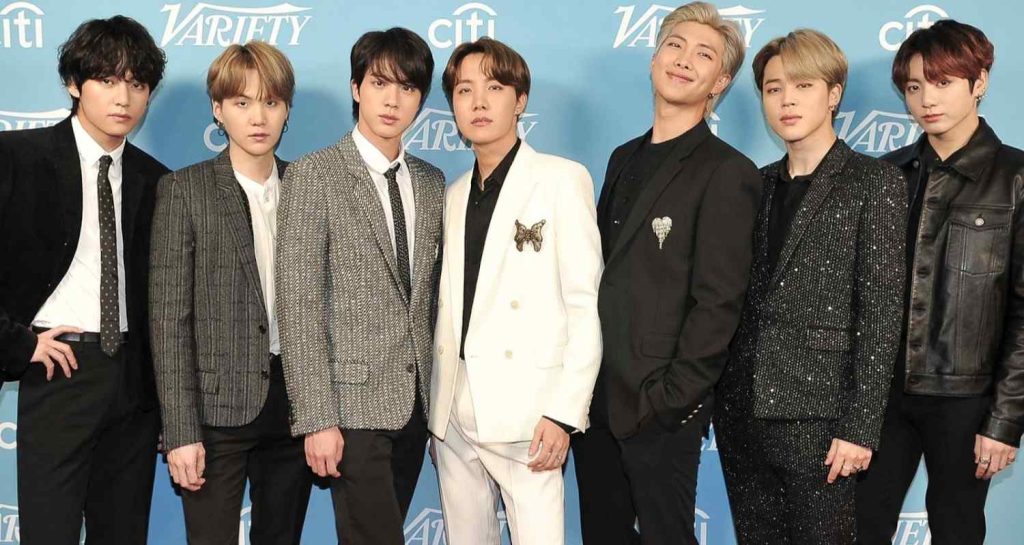
Which is something people could relate to. They nearly broke every barrier you can think of. Billboard Hot 100? They got to number one. Not just once, but many times. Big stadiums around the world? All sold out.
K-pop competing with Western pop stars? BTS made that happen. Their fans, ARMY, are super dedicated too; they changed how fans and artists talk to each other, making it way more personal.
And yes, BTS paved the way!
2. BLACKPINK (2016)
BLACKPINK came in with this cool confidence you couldn’t ignore. Four super-talented women who became YG’s biggest success and started working with huge brands like Chanel and Dior.
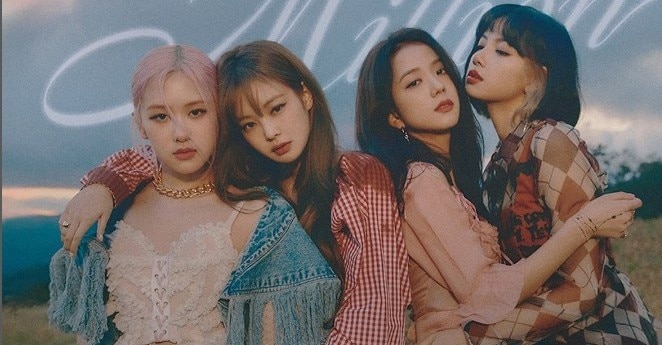
Their girl-crush style, catchy songs, and stage presence made them YouTube queens. We’re talking billions of views here. They didn’t just make music; they became fashion icons and even headlined Coachella with everyone watching.
Some people used to think girl groups couldn’t get as big as boy bands. BLACKPINK proved that wrong. Working with Selena Gomez and Cardi B showed that they could work with anyone.
3. EXO (2012)
EXO started with this sci-fi idea where each member had superpowers. SM Entertainment bet big on them, and it worked, too. They sold tons and have a super loyal fanbase called EXO-L.

They produce high-quality songs, which is the premium side of kpop. Their dancing together is crazy good. Fans love how perfectly timed every move is. They had good vocals, big hits, and sold millions of albums while winning tons of awards.
EXO basically showed what success looks like in K-pop. Great performances, good music, great looks, they had everything.
4. TWICE (2015)
TWICE came in with happy, bright vibes and songs you just can’t forget. “Cheer Up,” “TT,” and “Likey” were huge hits in Korea for years. And their debut song “Like ohh-Ahh was the most viewed debut song at that time.
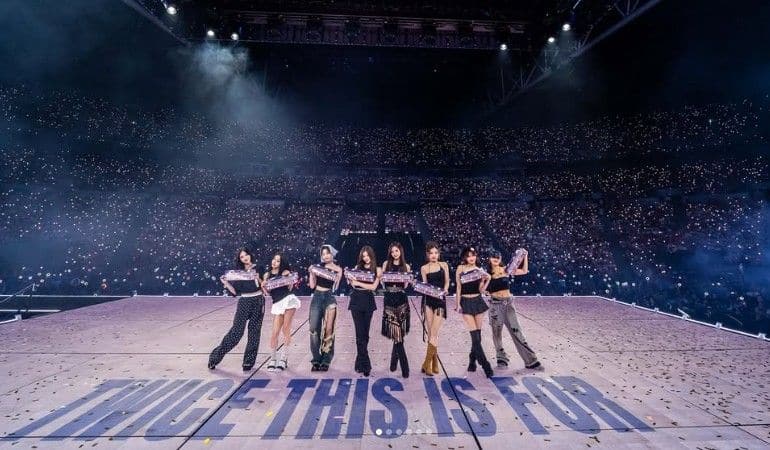
JYP’s girl group has the most music show wins ever, which is pretty wild. TWICE has its own unique color pop concept, and Japan really loved them, too; their success there was bigger than most groups.
Their dances were fun and easy to copy, and their whole vibe felt friendly. TWICE showed that happy, feel-good music could win everyone over.
5. SEVENTEEN (2015)
SEVENTEEN does something different; they make their own music, create their own dances, and handle production themselves. Thirteen members work in three teams (hip-hop, vocal, performance), and they’re all really talented.
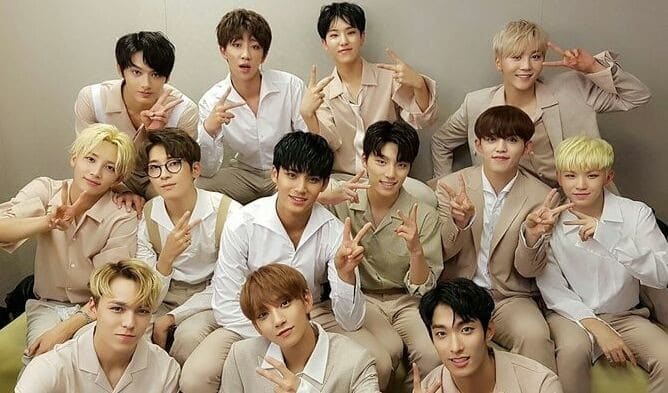
Their dancing together is insane. Fans say it’s some of the hardest in K-pop, and watching them live is just… wow.
They built a huge fan following around the world by always putting out music and really connecting with CARAT, their fandom. Being creative and real got them respect beyond just sales.
6. Red Velvet (2014)
Red Velvet brought this cool double concept. “Red” was bright and fun, “Velvet” was dark and different. It let them try new sounds without losing who they were. They knew they had strong vocals, and the continuous experimentation had them here.
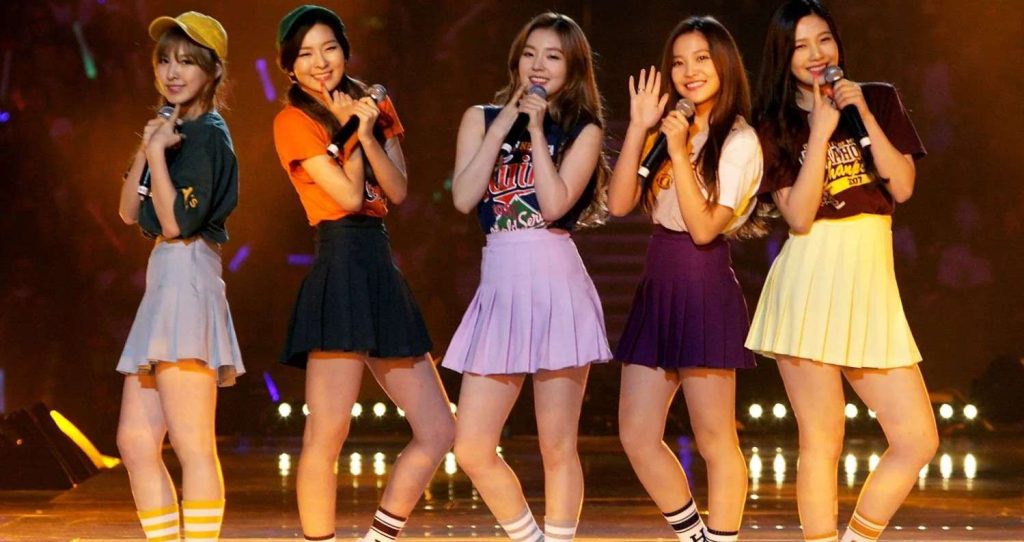
SM’s girl group took chances that worked. Songs like “Dumb Dumb” and “Peek-A-Boo” tried new things, and people loved it.
Their voices sound beautiful together, and their music videos tell stories that inspired other groups. Red Velvet showed you could sell well and still be creative.
7. GOT7 (2014)
GOT7 had members from Thailand, Hong Kong, and the U.S., which made them feel worldwide from the start. Their performances had martial arts moves and flips that made every show exciting.
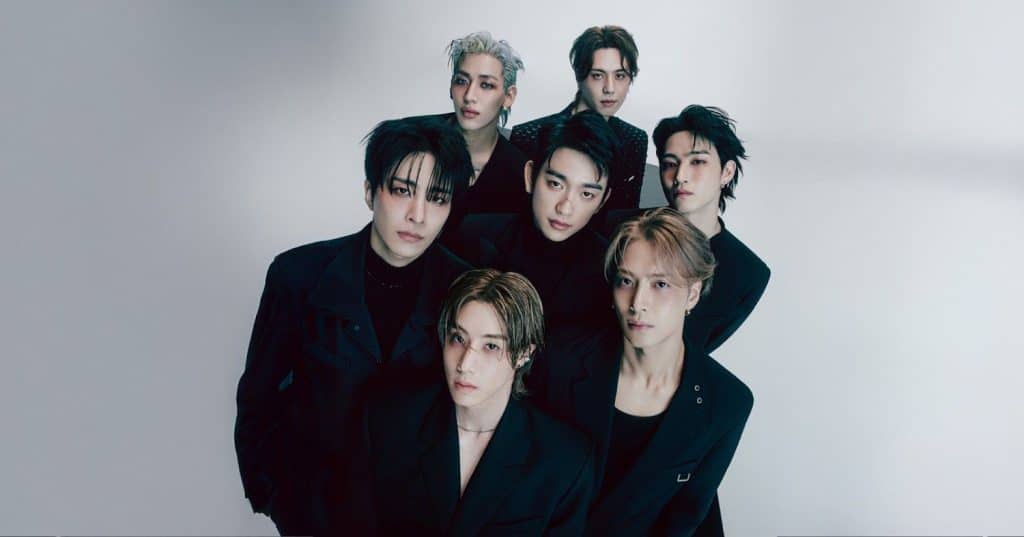
They got big fanbases early, especially in Southeast Asia and Western countries. Having members from different places helped them connect with fans everywhere naturally.
Their story also showed why freedom matters. The members left JYP but kept the group going, which proved their friendship was real.
8. MAMAMOO (2014)
MAMAMOO started with retro and jazz sounds that stood out right away. Solar, Moonbyul, Wheein, and Hwasa can really sing; their live shows are always amazing.

Their confidence and stage presence went against what people expected from girl groups. They could sing ballads, hip-hop, jazz, anything really, and do it well.
Their real singing talent and being themselves built them a fanbase that stayed. They didn’t follow the usual K-pop rules, and that’s why they made it.
9. NCT (2016)
NCT tried this unlimited member thing with different teams like NCT 127, NCT Dream, and WayV. SM wanted to make local content while keeping one main brand, which was pretty bold.
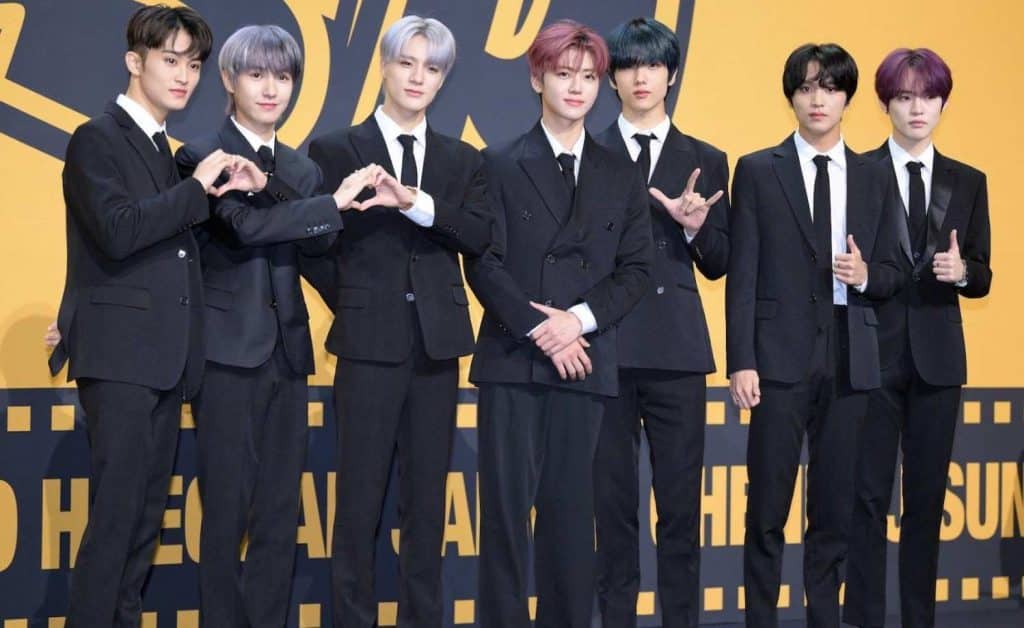
The rotating member idea meant fresh vibes and lots of new content. Experimental sounds and tough dances pushed limits in new ways.
The concept confused a lot of fans at first (it was kind of complicated), but it showed new ways to think about K-pop going global. These multi-team projects opened up ideas nobody had really tried before.
10. MONSTA X (2015)
MONSTA X brought powerful, edgy performances with darker vibes. Starship’s boy group went hard into hip-hop with strong rappers and good vocals.
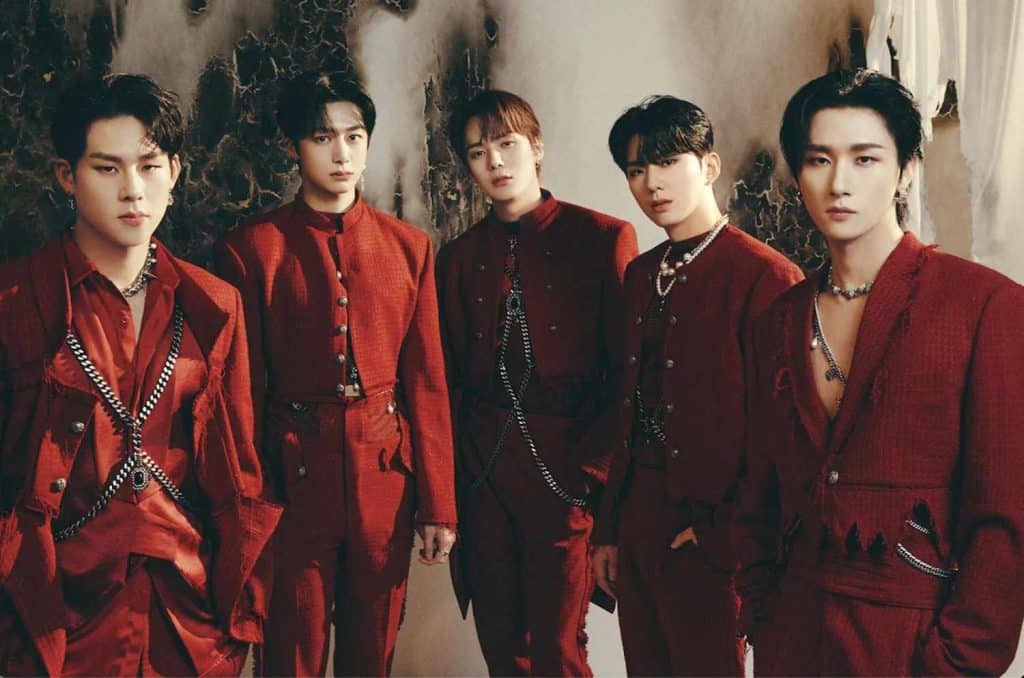
Getting on the Billboard 200 a lot proved they had real fans in Western markets. They pushed hard in America, worked with Western artists, and did big TV shows.
MONSTA X showed that groups outside the “Big 3” companies could make it worldwide. Smart promotion plus real talent, that mix worked.
What Is The Legacy Of 3rd Gen K-pop?
The 3rd Generation built basically everything that came next. These groups proved K-pop could compete worldwide and win. Streaming and social media went from extra stuff to must-haves.
Getting on Western charts stopped being a dream and became something groups planned for. Huge fanbases around the world grew naturally because these groups knew how to connect across different countries.
The music world started taking non-English music seriously, and K-pop kicked those doors open. Every group now follows what this generation did.
Related Reads:
Conclusion: 3rd Gen K-Pop Changed How The World Listens To Korean Music
The 3rd Generation of K-pop was really special. From 2012 to 2018/2019, groups like BTS, BLACKPINK, EXO, and TWICE didn’t just make music; they built a whole movement that went worldwide.
Social media became their best tool for reaching fans everywhere. Western markets that seemed impossible? These groups got in. Records broke, things changed, and the 4th and 5th Generations got a strong base to build on.
The groups I talked about here are what people call the golden age of K-pop. It’s pretty amazing how much these groups did and how they still shape K-pop today.
FAQs
BTS is 3rd Generation. They started in June 2013 under Big Hit Music, which puts them right in the 3rd Gen time. Everything about them matches what other 3rd Gen groups were doing.
The Big 3 of 3rd-gen Kpop are BTS, BLACKPINK, and EXO of this era. These three groups got the biggest in sales, worldwide reach, and impact during.
5th Generation K-pop means groups that started from 2023 on. These newer groups build on what came before while bringing fresh ideas and different styles.
The 3rd Generation changed to the 4th Generation around 2018/2019. Groups like Stray Kids and (G)I-DLE started in 2018 and kind of connected the two times. There’s no exact date, but that’s when things shifted.
People call it the golden age because K-pop went truly worldwide during this time. The groups got international success that nobody had seen before. Mainstream attention, worldwide tours, and chart success all came together during these years.