If you’ve been in K-pop for more than five minutes, you’ve heard the word ‘bias’, and you might have even used it once or twice. For me? My first bias was RM of BTS. He is the reason I fell down the rabbit hole, and the person who made me think, “Hold on, is it even okay to feel this strongly about a celebrity?”
But what is a bias? In K-pop, your bias is the one member of a group that you love, you support, and stan (comically high-powered level of follow) the most. They are your favorite.
But this is not just about selecting a favorite. This is about a personal, deep connection that, in some cases, shapes your entire K-pop experience, helping you choose which albums to buy, when to buy merchandise, and which clip to share with your friends and family.
Let’s take a look at the lovely world of K-pop biases.
What Is “Bias” Meaning In K-pop?
Your favourite member of a certain group is undoubtedly your bias in the K-pop scene. It’s that one idol whose performance you pay close attention to throughout group stages and who you automatically look for in all group content.
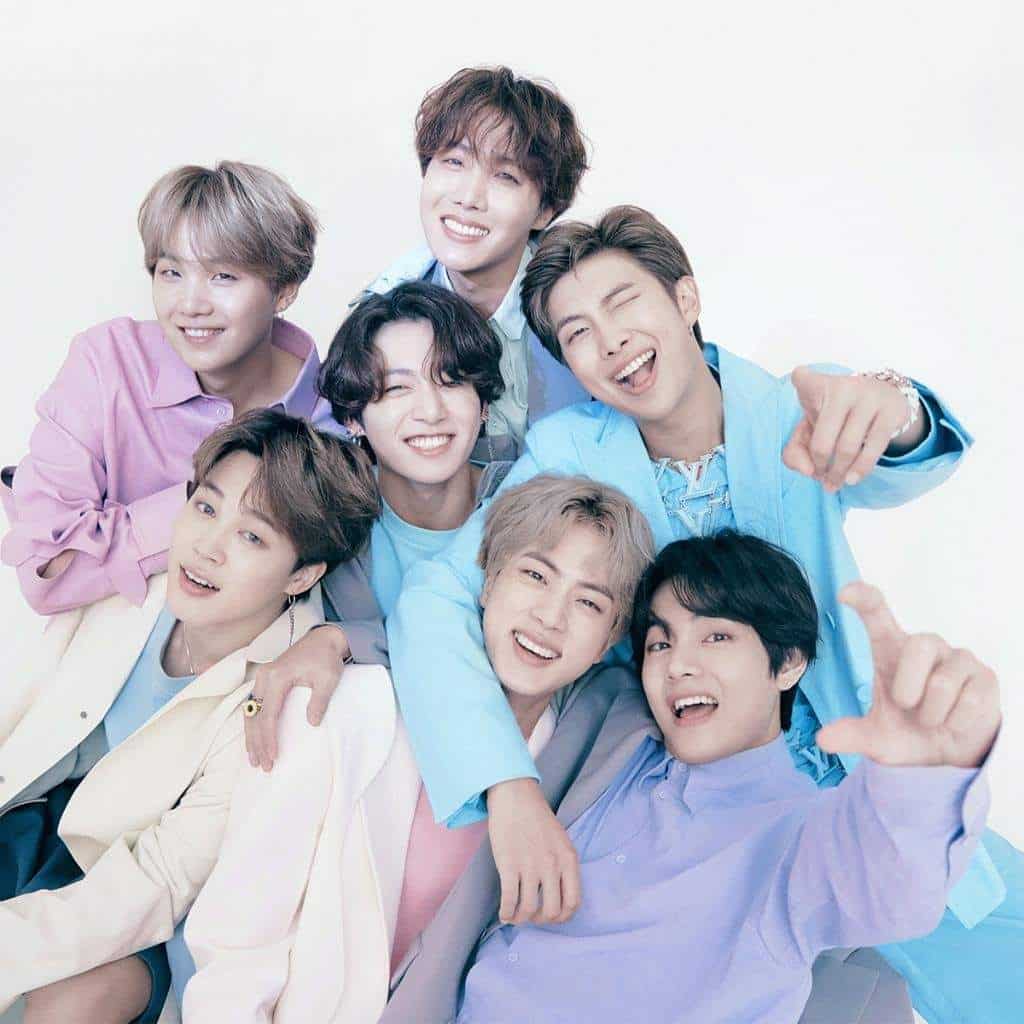
Consider it this way: your bias is the member at the top of the pyramid if you adore all seven members of a group like BTS.
While the exact origins of the word “bias” are not entirely certain, it is likely that it originated from the English word, which means a strong preference or inclination toward an idea or person.
It was first picked up by fandoms in many different cultures to refer to that one special favourite (the idol you have an undeniable preference for), and K-pop and K-pop fandoms simply adopted it as a very common language, and thus it has become an integral part of the fandom lingo.
Why Fans Use “Bias” and The Role It Plays In Fandom
So why do we pour so much energy into choosing our bias? Honestly, that special member gives your entire K-pop experience a much-needed focus! Think about buying merch for a 10+ member group – it’s exhausting (and expensive).
Having a bias, like Soobin from TXT, immediately focuses your efforts: you only collect their photocards, prioritize their album versions, and know exactly who to vote for.
More importantly, this focus allows us to emotionally connect with the group. You root for their growth and genuinely feel proud of their success.
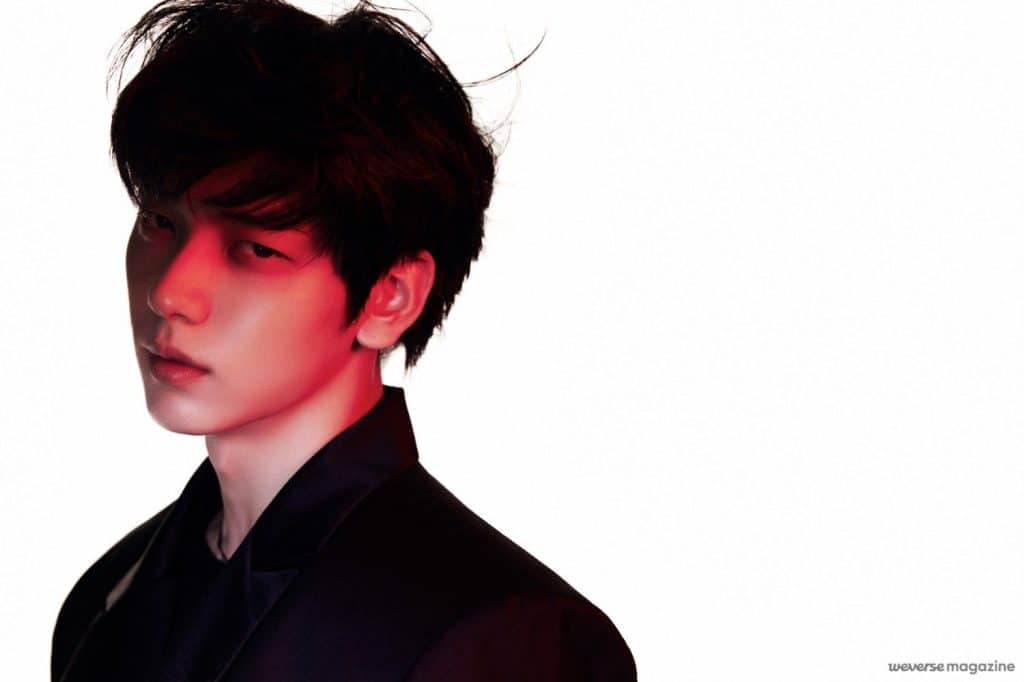
This connection drives specific fan behavior, like furiously streaming their individual fancams to get views, or constantly seeking out member-specific goods. It’s a dedicated, personal mission to support the idol who means the most to you!
Related Terms & Slang You’ll See
The world of bias is rarely simple, which is why we invented more terms! While your bias holds the throne, the biggest threat to their position is the “bias wrecker”.
This is the idol who constantly pops up and makes you question everything, sending you into a delightful panic. It’s a chaotic but fun part of the fandom experience!
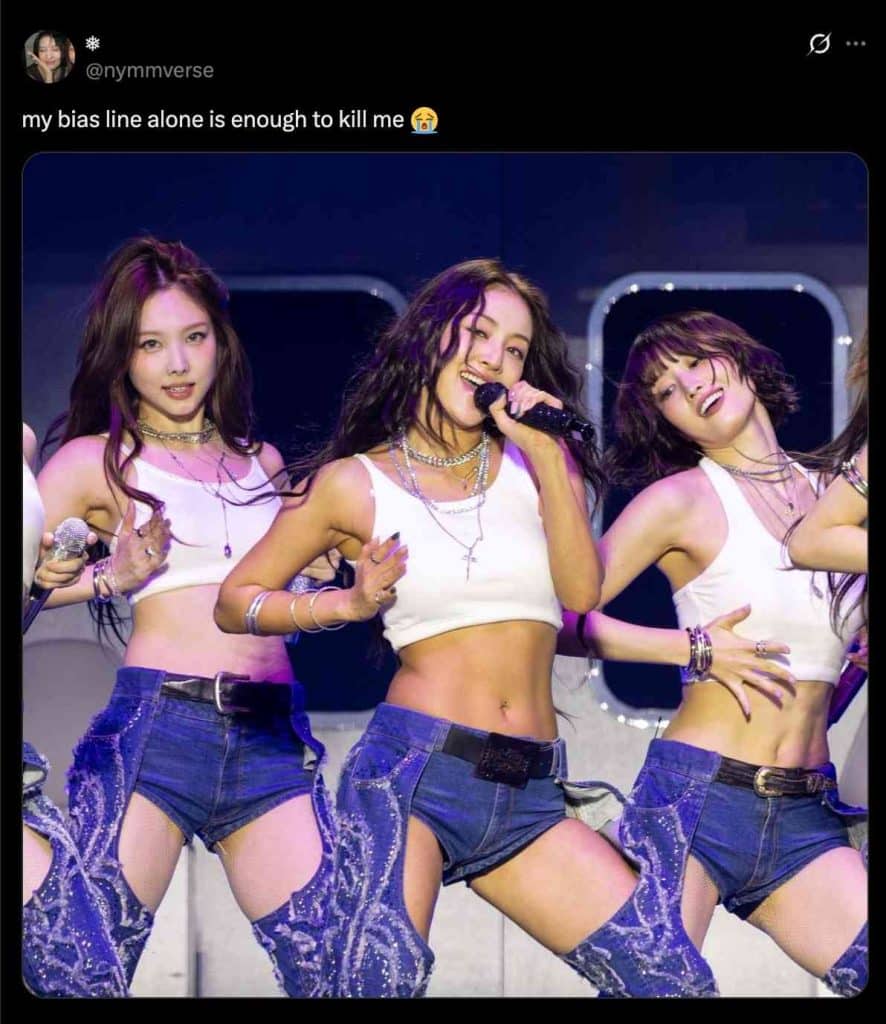
Then there is your Ultimate Bias, who is your untouchable, number-one favorite across every single group (seriously, no one can top them). If you find yourself unable to pick just one favorite within a group (which is super common, trust me!), you have a double bias or multiple biases, sometimes referred to as your bias line.
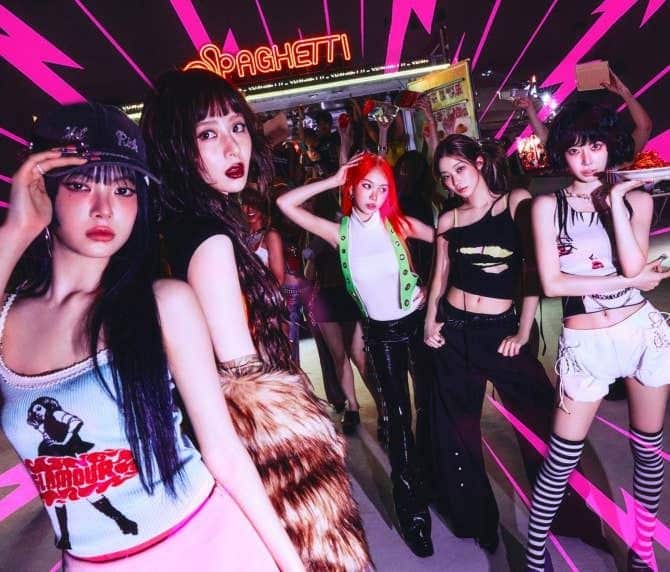
Remember, these terms are only for individual members. If you’re talking about your favorite K-pop act overall, you’re talking about your group bias, not to be confused with your individual favorite member!
How To Choose or Embrace Your Bias (or Bias Line)
If you are still searching for the one, do not worry! The best way to select your bias is to simply watch all the content.
Pay attention to whose personality you find yourself connecting with, whose singing or dancing you enjoy the most, or whose stage presence and visuals you are drawn to.
At times, it won’t even make sense – it just clicks. The most important rule, though, is no pressure! You do not ever have to select a single bias if you truly just want to stan the whole group.
Also, biases change! It’s completely normal for a bias wrecker to start taking over, so lean into that change and never feel bad about switching favourites.
This is supposed to be fun, so whether you’re a single-bias stan, a bias line follower, or “just a group stan,” just know that healthy fandom means enjoying the music and the members however that looks to you!
The Impact Of Having A Bias
Having a bias brings huge positives to your fandom life. It leads to deeper engagement with the group, better enjoyment of their content, and it’s an amazing way to instantly connect with like-minded fans.
However, we need to talk about the pitfalls. Sometimes, extreme biasing can lead to unhealthy favoritism within a group, causing you to ignore other members. It can also fuel the (sometimes) crazy loot-chasing game for member-specific photocards, making album buying stressful.
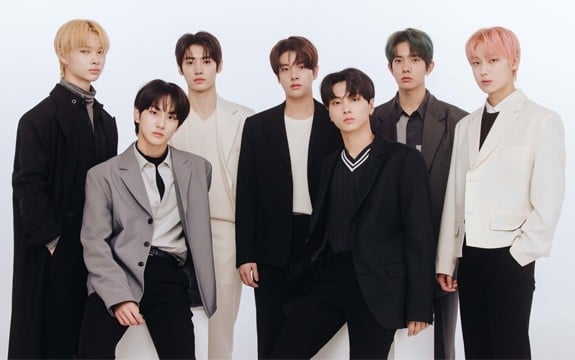
And, as we mentioned, you might feel guilty for switching favorites. The key is balanced fandom behaviour: enjoy your bias fully, but make sure you’re always supporting the entire group and not letting the hobby stress you out.
Bias In The Larger K-Pop Culture
The bias phenomenon isn’t just about the fans; it’s a massive part of the K-pop industry itself. Companies and fandoms actively use bias culture because it drives revenue and engagement. This is why you see things like album versions named after members, specific photocards for each idol, and specialized fan events tailored to individual members.
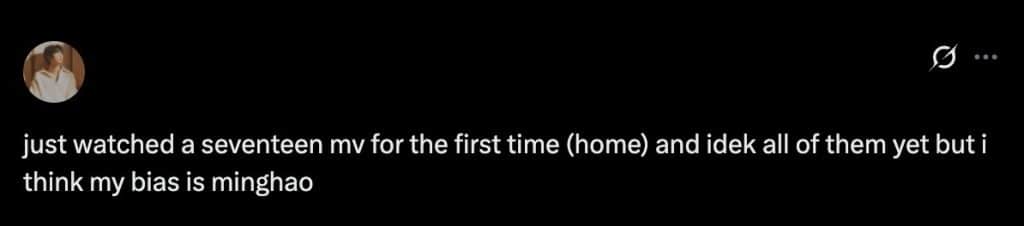
On social media, this culture is the driving force behind your fan identity. Fans constantly share “my bias is…” posts, fancam links, and artwork, helping create your visible fandom identity. Here’s one of my own tweets:
For global fandom, where language and distance can be barriers, having a bias is essential. It helps personalize that huge, sometimes overwhelming world of idols, giving you a specific face and story to cheer for.
Related Reads:
Conclusion: Bias Is Your Favorite Member In A K-pop group
To wrap it up, the bias concept is fundamentally about finding that one spark of joy that illuminates your entire fandom journey. We’ve seen how your bias drives your merch choices, focuses your support, and instantly connects you to your community of fellow stans.
Indeed, the world of K-pop can be complicated with all the bias wreckers and ultimate biases and bias lines, but that unique connection is part of what makes fandoms so exciting! Remember, there are no rules, except to enjoy yourself and feel that extra deep pride when your bias succeeds!
So, whether your bias is your ultimate, a wrecker, or just being decided at this moment, enjoy it! Now tell me, who is your bias right now, and how did they become the one?
FAQs
It is a widely known fact that Holland (Go Tae-seob) was the first K-pop idol to come out as gay. He made his solo debut in 2018 with the release of “Neverland” and has been a strong and outspoken advocate for LGBTQ+ inclusion in the K-pop industry.
You identify your bias as the group member that naturally draws your eyes the most. You look at their fancams, see whose personality you have an affinity for during variety shows, and more importantly, which member’s voice or stage presence you look for first when watching content.
English-speaking fans of K-pop use the term “bias”, while Korean fans use “choe-ae” (최애). Choe-ae literally means “most loved” or “most cherished.” It means your most favourite person or group.
The member of your K-pop group that you like the most, support the most, and follow is your bias. They are the ones you favour the most, and they keep your entire fan experience grounded in that one person, from watching, streaming, and collecting.
The maknae (막내) is the youngest member of a K-pop group. It is just a common social Korean term that refers to the youngest member of any social group (family, business, etc.). In K-pop, the maknae is important to the group’s identity!