Maknae means the youngest member of any K-pop group, but it’s not just about age. Instead, role matters a lot in Korean entertainment and changes how group members treat each other.
If you’re new to K-Pop, you’ve probably noticed one term appearing constantly in fan discussions: maknae.
The maknae gets special care but also faces big expectations. Throughout this article, we’ll show you what maknae means in Korean culture, how maknae lines work within groups, and the different types you’ll find across K-Pop generations.
What Is A Maknae In K-Pop?
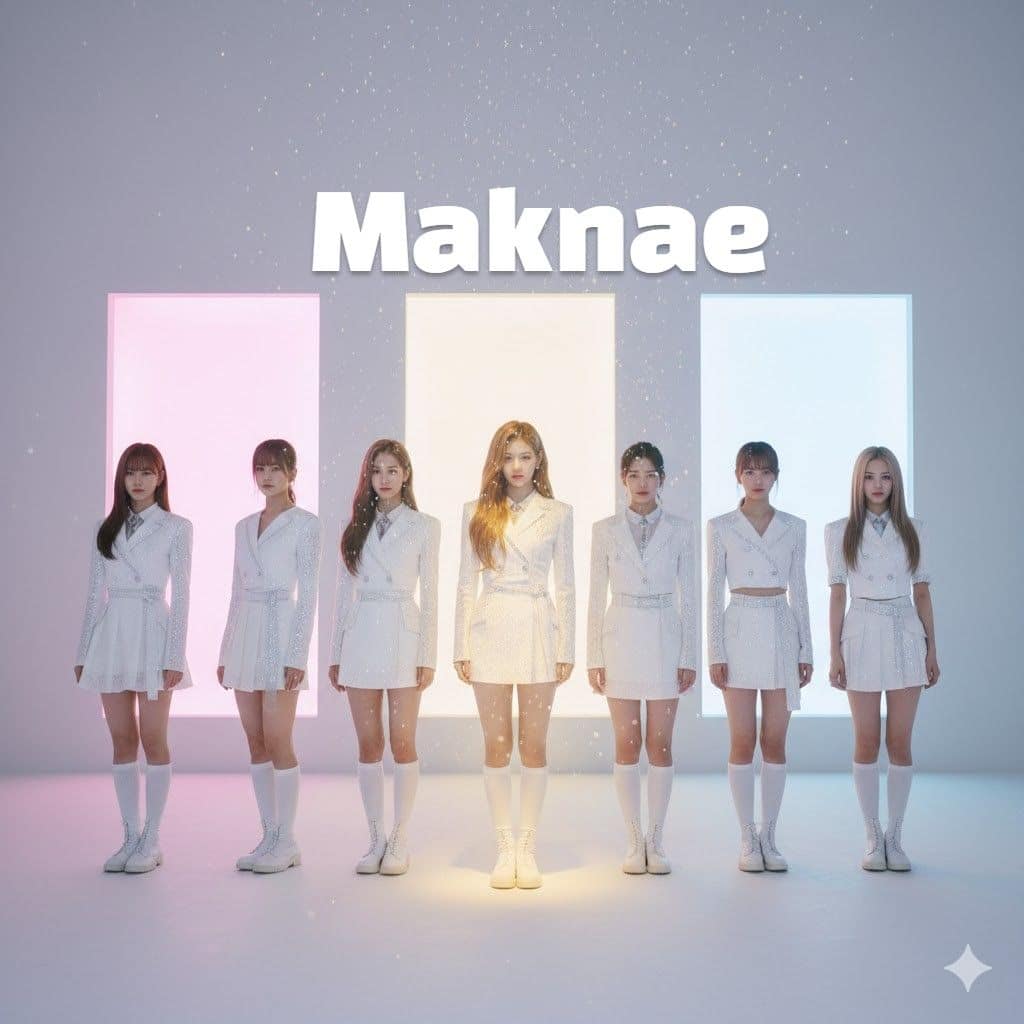
막내 (maknae) translates to “youngest person” in any group setting. However, Koreans use this word everywhere, not just in K-pop, but also in families, offices, schools, and friend groups.
For example, your Korean coworker is a maknae if they’re the youngest in their department, because in Korean culture, age determines social hierarchy.
Therefore, the maknae position carries significant cultural weight beyond just being the youngest.
Basic Definition & Pronunciation in Kpop
A maknae is the youngest member in any K-pop group, and you pronounce it like “mahk-neh.” For context, Huening Kai is the youngest member of TXT, which makes him that group’s official maknae.
Every group has exactly one official maknae based on birth date. Importantly, this position connects directly to Korean honorifics.
As a result, the maknae must call older members hyung (for guys), oppa (girls to guys), unnie (girls to girls), or noona (guys to girls). These terms aren’t optional; instead, they show who’s older and younger in the group hierarchy.
What Meaning of Maknae in K-Pop Groups?
Being maknae comes with specific rules and expectations. On one hand, older members protect and baby the youngest member constantly. Fans absolutely love this dynamic.
However, here’s the thing, maknaes face intense pressure too. Despite being the youngest, they must prove they belong in the group. In fact, their skills need to match or exceed everyone else’s.
Consequently, while maknaes receive tons of attention from fans and get treated like precious cargo by their groups, they still can’t slack off. Instead, they must balance respecting their elders while shining individually.
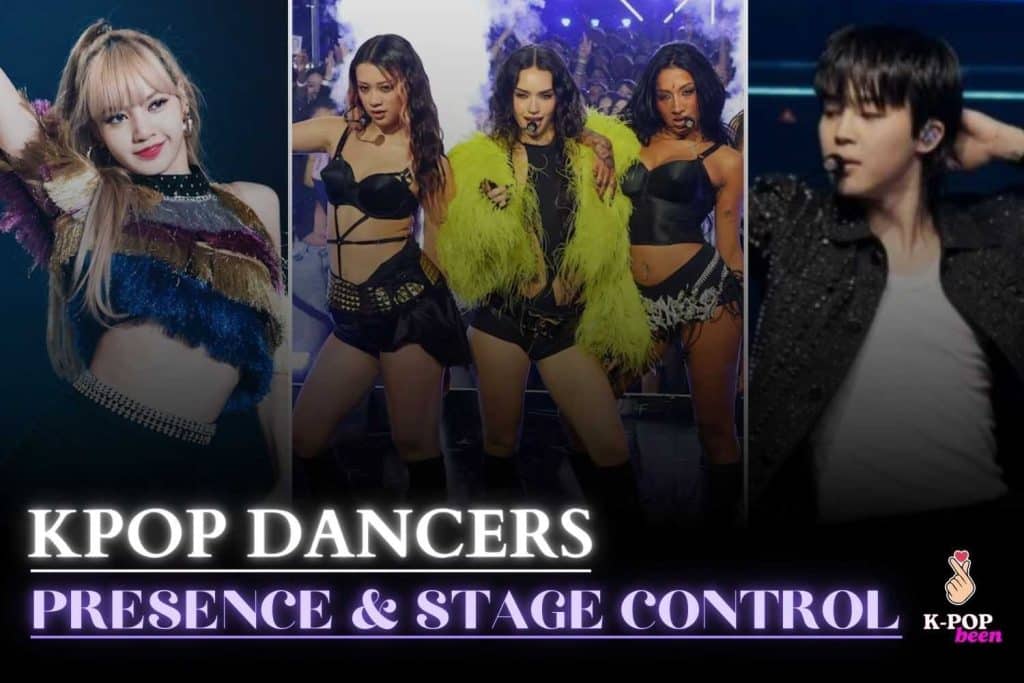
Currently, popular maknaes include BTS’s Jungkook, BLACKPINK’s Lisa, SEVENTEEN’s Dino, TWICE’s Tzuyu, NewJeans’ Hyein, ITZY’s Yuna, and ENHYPEN’s Ni-ki. I.N is the vocalist and maknae in Stray Kids, known for his bright personality and steadily improving vocals.
Maknae Meaning In BTS
Let’s understand this with an example of our Jungkook – BTS Maknae:
Jungkook was born in 1997 and earned the nickname “Golden Maknae. Six older members rank above him: RM, Jin, Suga, J-Hope, Jimin, and V.
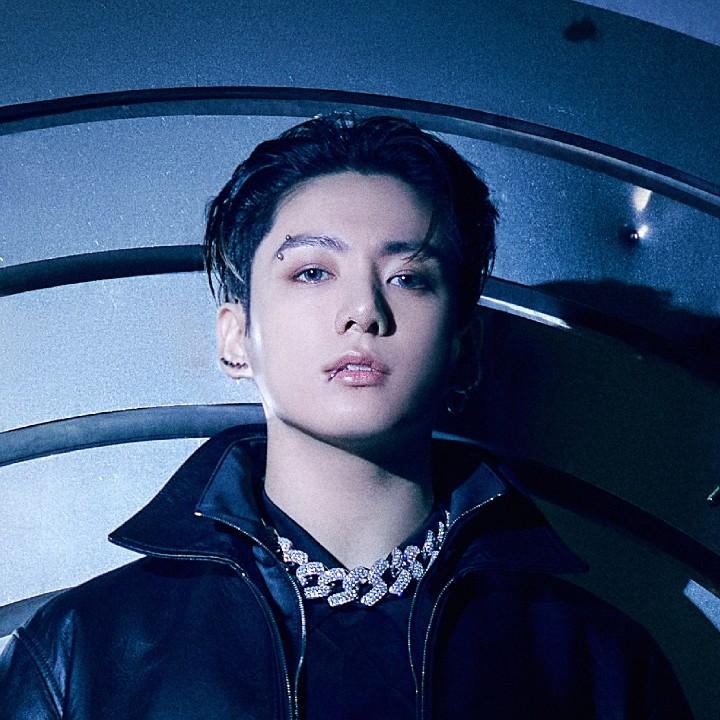
When you watch any BTS content, you’ll notice they spoil Jungkook constantly. Meanwhile, he calls them hyung while they call him by name. That’s the Korean age hierarchy in action.
Golden Maknae Meaning in K-Pop
Jungkook earned “Golden Maknae” as his nickname for a specific reason. Simply put, he excels at everything. Singing? Check. Dancing? Outstanding. Sports? He dominates. Art? Talented. Production? He’s mastered that, too.
Over time, the ARMY fandom popularized this term until it became a K-pop standard. Now it defines any maknae who masters multiple skills beyond their main position.
Unfortunately for other maknaes, Jungkook set an almost impossible standard that everyone gets compared to.
Maknae Meaning In BLACKPINK
Lisa serves as BLACKPINK’s maknae, having been born in 1997. Interestingly, she’s Thai, which makes her an international maknae and proves this position transcends nationality.

On stage, Lisa brings world-class dance skills to the group. Off stage, she’s playful and energetic like a typical maknae.
However, when you watch her perform, she’s completely serious about her craft. This maturity actually surprises people who expect all maknaes to act like babies all the time.
What Is A Maknae Line In K-Pop?
The maknae line includes the 2-4 youngest members of a group, not just the single official maknae. This happens because groups naturally split into older and younger halves based on age.
As a result, these youngest members bond closely since they share similar experiences and pressures. Moreover, fans obsess over maknae line content because watching them interact feels like seeing siblings grow up together.
| Group | Hyung/Unnie Line | Maknae Line |
|---|---|---|
| BTS | RM, Jin, Suga, J-Hope | Jimin, V, Jungkook |
| BLACKPINK | Jisoo, Jennie | Rosé, Lisa |
| SEVENTEEN | S.Coups, Jeonghan, Joshua, Jun, Hoshi, Wonwoo, Woozi | The8, Mingyu, DK, Seungkwan, Vernon, Dino |
Beyond basic group structure, maknae lines create their own unique content opportunities. For instance, they often do special projects together and get paired up on variety shows.
Additionally, they develop inside jokes that fans track across years of content. Ultimately, their chemistry differs noticeably from their interactions with older members.
Types Of Maknae In K-Pop
Not all maknaes act the same way, which makes this position fascinating. While some fit the cute stereotype perfectly, others break it completely.
Therefore, understanding these types helps you predict how different groups utilize their youngest members’ unique characteristics. Over the years, we’ve seen clear patterns emerge across dozens of groups.
| Maknae Type | Description | Example |
|---|---|---|
| Golden Maknae | Exceptionally talented in all areas | BTS Jungkook |
| Evil Maknae | Mischievous, teases older members | Super Junior Kyuhyun |
| Cute Maknae | Aegyo, adorable behavior | TWICE Tzuyu |
| Fake Maknae | Acts like maknae but isn’t the youngest | Various idols |
| Mature Maknae | Responsible despite being the youngest | BLACKPINK Lisa |
Here are some Key Maknae Archetypes:
The Golden Maknae excels in everything they attempt. Jungkook essentially created this category through his diverse talents. Vocals? Perfect. Dance? Flawless. Random skills? He’s mastered them all.
In contrast, the Evil Maknae plays a completely different role. Kyuhyun from Super Junior pioneered this archetype by teasing older members mercilessly and getting away with savage comments that others couldn’t.
Meanwhile, the Fake Maknae isn’t actually the youngest but acts like it anyway.
Hyung Line vs Maknae Line
K-pop groups naturally divide into hyung/unnie and maknae lines, shaping group dynamics. Older members provide stability and leadership, while younger ones add energy, fun, and playful chaos.
For example, in Run BTS, the older members often guide Jungkook, V, and Jimin while the trio teases them back. Behind-the-scenes clips highlight these warm, authentic interactions fans love.
Famous K-Pop Maknaes Generations
Each K-pop generation has handled maknaes differently over time. For instance, second-generation idols typically debuted at older ages. In contrast, fourth-generation kids sometimes start their careers in their early teens.
Consequently, industry standards have shifted significantly, and cultural expectations continue evolving. You can easily track these changes by comparing maknae ages across different eras.
2nd Generation Maknaes
- Seohyun (Girls’ Generation) – Born 1991
- Kyuhyun (Super Junior) – Born 1988
- Taemin (SHINee) – Born 1993
3rd Generation Maknaes
- Jungkook (BTS) – Born 1997
- Lisa (BLACKPINK) – Born 1997
- Tzuyu (TWICE) – Born 1999
- Dino (SEVENTEEN) – Born 1999
4th Generation Maknaes
- I.N (Stray Kids) is the vocalist and maknae – Born 2001
- Yuna (ITZY) – Born 2003
- Ni-ki (ENHYPEN) – Born 2005
- Hyein (NewJeans) – Born 2008
Clearly, 4th-generation K-Pop continues pushing debut ages down. Now, maknaes born in the 2000s dominate the industry.
As a result, these kids must juggle school responsibilities alongside superstar demands. That’s an enormous amount of pressure for teenagers to handle.
Common Maknae Stereotypes and Characteristics
Korean age culture creates specific expectations for how maknaes should behave within their groups. Of course, not every maknae fits these patterns perfectly.
In fact, many break them entirely and create their own identity. Still, knowing common stereotypes helps you recognize typical dynamics when you watch different groups interact.
| Trait | Description | Why It Happens |
|---|---|---|
| Cute/Aegyo | Expected to act adorably | Korean age culture |
| Spoiled | Older members dote on them | Protective instinct |
| Mischievous | Gets away with playful behavior | Age privilege |
| Talented | Pressure to excel despite being the youngest | High expectations |
| Energetic | Youthful energy in a group | Natural youth advantage |
These common traits stem directly from deeply rooted Korean family values. Traditionally, the youngest children get babied within Korean families. Therefore, they often receive more lenient treatment than their older siblings.
Related Reads:
Conclusion: Maknae Is The Youngest Member Of K-Pop Group
A maknae is more than just the youngest member; it’s a role that carries cultural importance in K-Pop. The maknae often shapes group chemistry, influences fan interactions, and reflects Korea’s respect for age hierarchy.
Understanding this term helps you appreciate group dynamics more deeply. As you watch your favorite idols, notice the teasing, protection, and affection the youngest members receive.
Celebrate your favorite maknae moments and enjoy the unique youthful energy they bring to every group.
FAQs
A maknae line includes the 2-4 youngest members in a group who naturally bond through similar ages and subsequently create unique content together.
Maknae (막내) means “youngest person” in Korean, and this term applies universally to families, workplaces, and K-Pop groups alike.
Hajima (하지마) means “don’t do that” in Korean, and you’ll frequently hear people use it to stop unwanted actions immediately.
Maknae refers to the youngest member, while hyung specifically means older brother or older male member from a younger male’s perspective.
Each K-Pop group has its own youngest member, though NewJeans’ Hyein (born 2008) currently stands among the youngest in major active groups.