I don’t know about you, but when I first dove headfirst into the K-pop universe, I felt like I needed a translator just to read the fan comments.
Seriously, what is a bias wrecker? Did someone burn the stage during the last comeback? Why is everyone talking about the maknae line’s aegyo? It was a whole new language!
If you’ve ever felt lost in a sea of acronyms, Korean slang, and community-specific jargon, you’re not alone. The fandom moves fast, and the terminology moves even faster. That’s why I (your resident K-pop veteran and fellow Stan) put together this guide.
Think of this as your judgment-free, ultimate survival guide to finally understand what your fellow fans are screaming about. Now, let’s get you fluent!
Positions, Lines, and Maknaes – Who’s Who In My Fave Group?
If you’ve ever tried to explain your bias’s role to a non-fan, you know that these titles are what actually define a K-pop group’s dynamic!
Leader
This isn’t just a title, it’s a job description. The Leader is the group’s backbone, their spokesperson, their emotional support system, and, let’s be honest, often the person who has to tell everyone to clean the dorm. They mediate between the members and the company, and they’re usually the first to give the acceptance speech.

Personally, I have such a soft spot for Leaders. Watching them get emotional while the members console them? Instant tearjerker. If you want a perfect example of dedication, just watch RM from BTS in any interview.
Maknae (막내)
Simply put, the maknae is the youngest member of the group. While the Leader carries the weight, the maknae is often the one getting spoiled rotten. They can get away with a lot more teasing, but they often grow up right before our eyes, eventually becoming a terrifyingly talented adult.
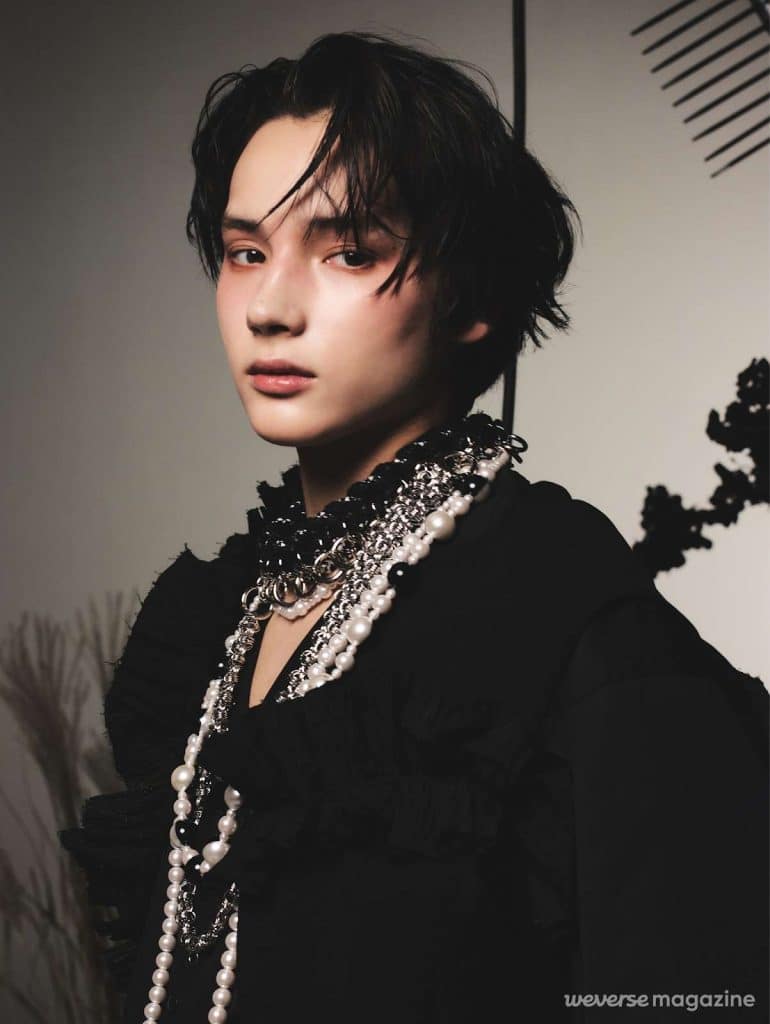
The older members are usually obsessed with the maknae. We all know the saying: you mess with the maknae, you mess with the whole group. My favorite example is Huening Kai because he’s just chaos in a cute package. You can read maknae meaning in kpop in detail.
Vocal Line, Dance Line, Rap Line
These are sub-groups based on specialty. They’re usually a good way to figure out who gets the killer high note (Vocal Line), who performs the iconic breakdown (Dance Line), and who spits fire on the track (Rap Line). They often have subunits or special stages dedicated to their ‘line.’
Don’t be fooled, though! In today’s K-pop, almost everyone is a triple threat. I still get chills watching the BTS rap line perform ‘UGH!’. It’s always next-level!
Center
The Center is the member who stands in the middle during key parts of the choreography and formations. They aren’t necessarily the Leader or the Main Dancer, but they often possess the most magnetic stage presence, visually anchoring the entire group. They are the focal point.

Being the Center is about drawing the eye. It’s a massive responsibility! Like when Nayeon from TWICE hits that core position, the energy shifts instantly. She just radiates star power.
Do You Stan? Decoding Fandom Slang and Fan-Talk
If you want to survive a heated Twitter thread, a comeback season, or just a concert chat, you need to master these essential terms for talking to your fellow stans.
Fandom Name
This is the official, company-given name for the entire fanbase of a group. It’s more than just a label; it’s a whole identity! Fandom names are usually incredibly thoughtful, often representing the relationship between the idol group and their fans.
This is where you find your people! I swear, knowing your group’s fandom name is like getting a secret password. As a proud ARMY, I know that connection is everything.
Lightstick
A lightstick is an essential piece of fan merch. This is the official battery-operated, often Bluetooth-enabled, glow stick that is unique to each group. At concerts, they light up the arena in synchronized colors, creating a beautiful ocean.
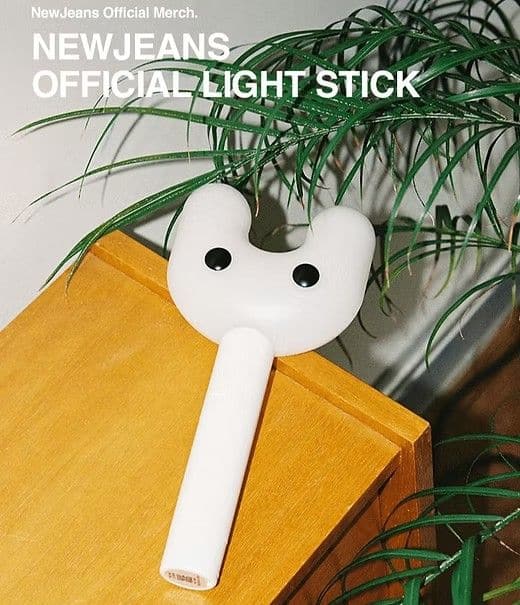
I have a dedicated shelf just for my collection. Which lightstick is my favorite design? That’s like asking me to choose a bias! But honestly, the NewJeans lightstick is just iconic. It’s what transforms a concert into an unforgettable experience.
You can also check out the best kpop lightsticks with our list.
Stan vs. Non-stan
To stan a group means to be an intensely passionate, devoted fan. You know all the lore, you stream the music, and you defend them in comment sections. A non-stan is simply someone who is not a dedicated fan. They might casually listen to the music, but don’t follow the group’s content or activities.
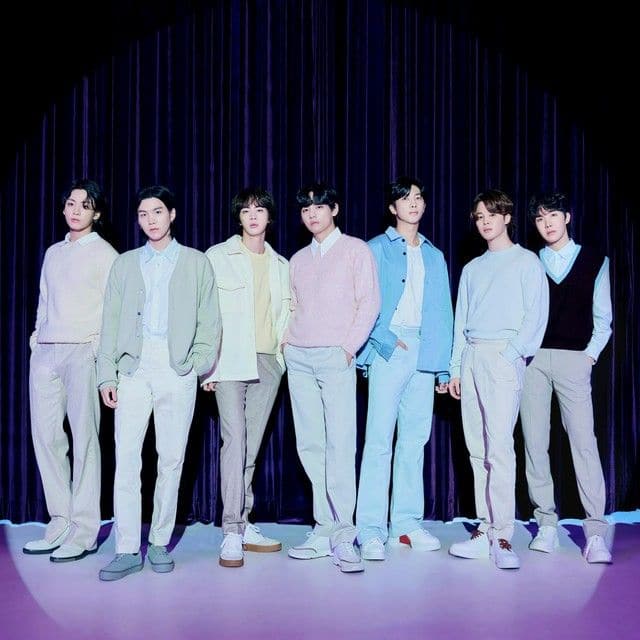
Everyone starts as a non-stan, but once you fall down the rabbit hole, there’s no turning back! I’ve been happily stanning BTS for years, and I regret absolutely nothing.
Selca (셀카)
This is the simple Korean word for a selfie (self-camera). Idols constantly post selcas on social media to update fans, often making the hearts of their followers explode with cuteness.
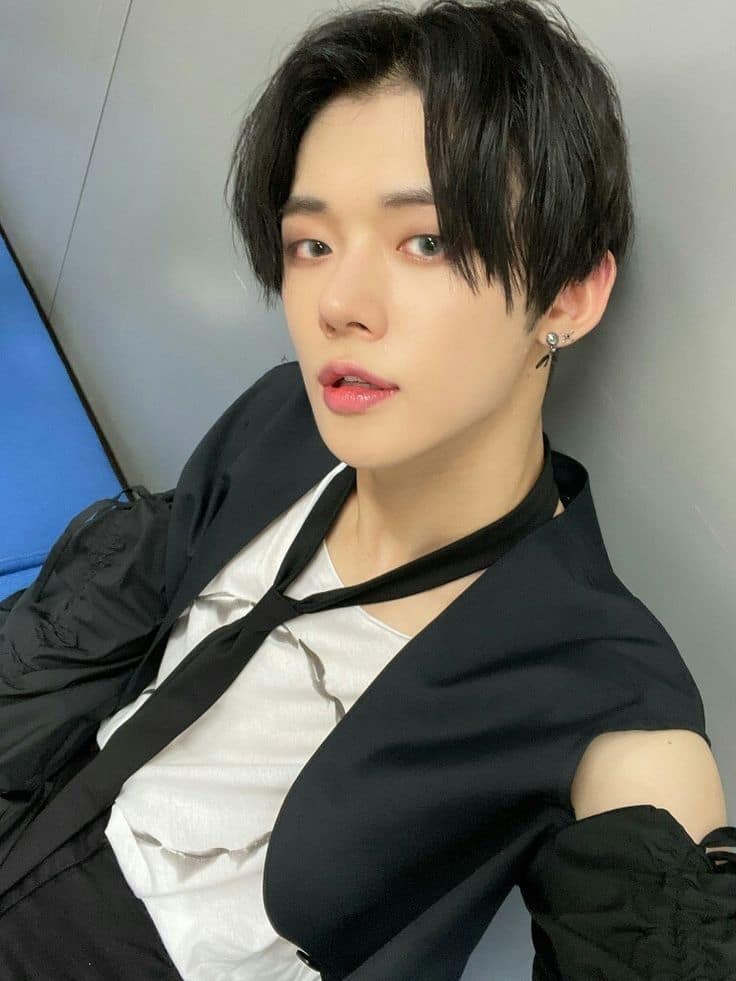
The idol selca is an art form! You can spot a true master by their angles, their lighting, and the way they manage to look adorable after a 12-hour rehearsal. My favorite selca artist is definitely Yeonjun from TXT.
You Think You Know K-pop? Master These Music & Performance Terms
This is where the real work happens! To truly appreciate the art, you have to understand the unique language of the K-pop release cycle.
Comeback
When a group releases a new album or single, it’s not a mere release – it’s a comeback! It signifies their return to active promotions on music shows and variety programs. The entire fandom goes into collective panic and hype mode in the weeks leading up to it.
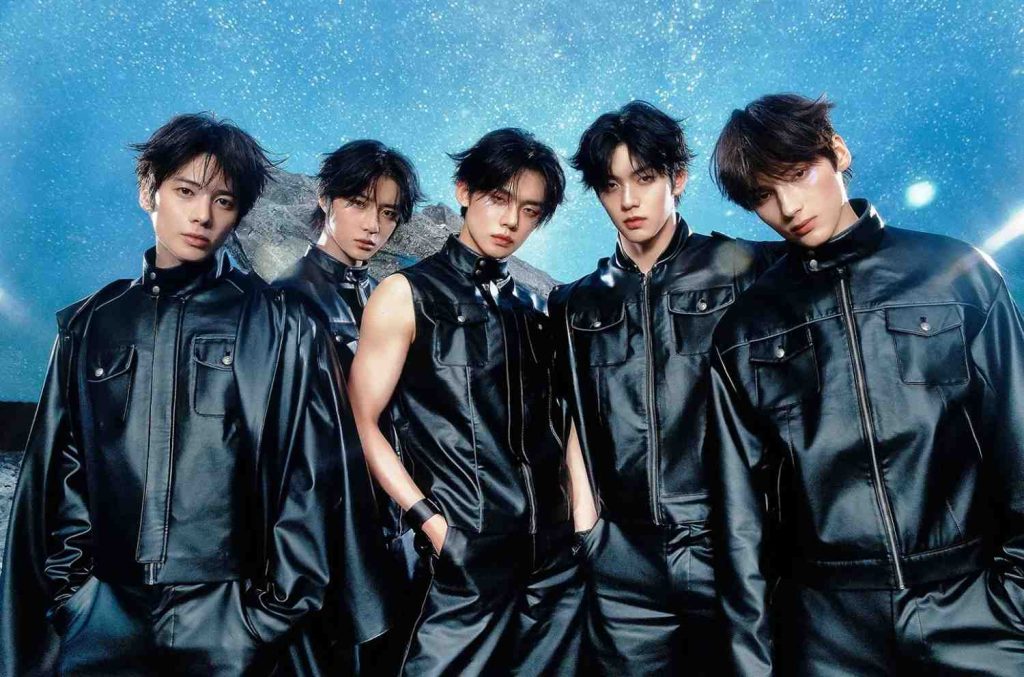
The sheer adrenaline of a comeback is unmatched. My favorite comeback of all time has to be TXT’s The Star Chapter: TOGETHER era. I’m still recovering from that concept!
Title Track
This is the main song promoted during the comeback. This is the track that gets the massive, usually high-budget music video, the elaborate choreography, and the most airtime on music shows. It’s the song that defines the entire era.
While the whole album slays, the title track is the designated champion! It’s always amazing to see the difference between the Title Track concept and the other tracks.
Fanchant
A specific sequence of words (usually the members’ names or a catchy phrase) that fans shout in unison during a performance, especially during the Title Track. It’s how the fandom shows support and energy. Trying to keep up with a long fanchant live is a true test of dedication and lung capacity!
B-Side
Simply put, these are the album tracks that aren’t the designated Title Track. Never, ever skip the B-sides! K-pop B-sides are often just as good, or sometimes even better, than the main track, letting members experiment with different genres and themes.
Everyone has a B-side bias, and mine is always criminally underrated. The way BTS’s song ‘Begin’ showcases Jungkook’s vocal color is just chef’s kiss. Don’t sleep on the B-sides!
Essential Advanced Fan Slang
Once you master the basics, it’s time to level up your fan vocabulary with terms that define the deepest parts of your devotion and the industry’s highest highs and lowest lows.
Bias Wrecker
The idol who isn’t your main Bias (your favorite member), but who consistently threatens to steal that top spot! They pop up in a new variety show, nail a stunning high note, or just look particularly angelic in a new photoshoot, sending your loyalties into crisis.
The struggle is real! My original TXT bias was Soobin, but then Yeonjun came along with that one performance on Studio Choom’s Artist of the Month, and my whole world flipped upside down!
Also read: Bias Meaning in K-Pop
Ultimate Bias (UB)
The one. The only. Your Ultimate Bias is the single idol, across all groups, who holds the top spot in your heart. They are untouchable, your favorite of favorites, the one you prioritize above all others.
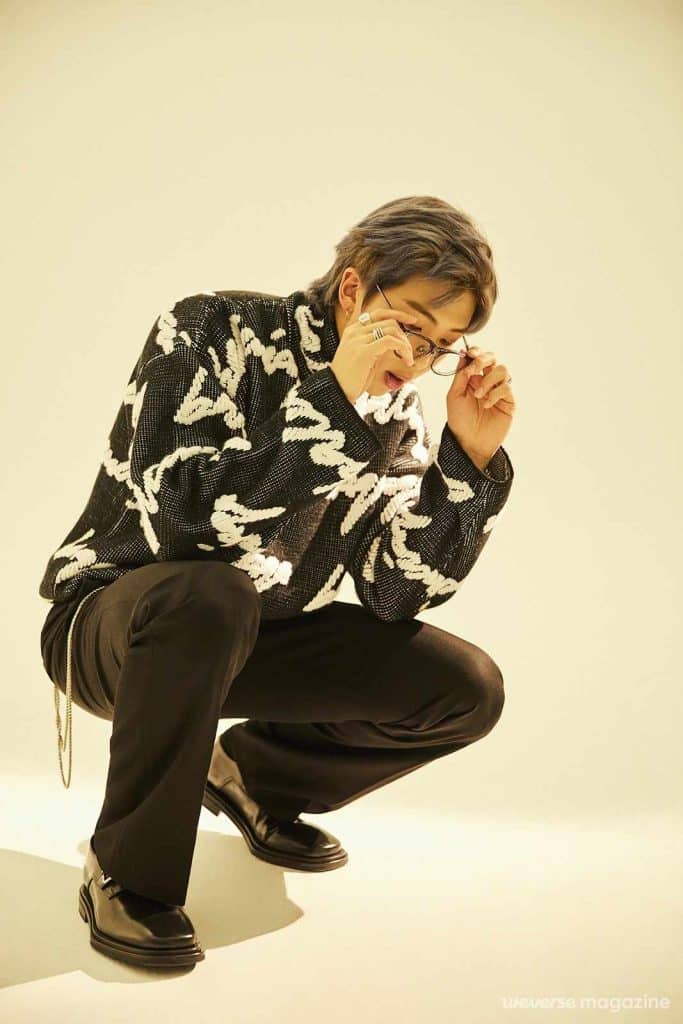
This is sacred territory! My UB is RM of BTS, and honestly, he is the reason I survived some of my hardest days. They just have that special something. It’s a deep, unshakeable connection.
Daesang (대상)
Translated literally as “Grand Prize,” the Daesang is the highest award an artist can win at major Korean award shows (like the Golden Disc Awards or MAMA). It’s the ultimate recognition of achievement and success for an entire year.
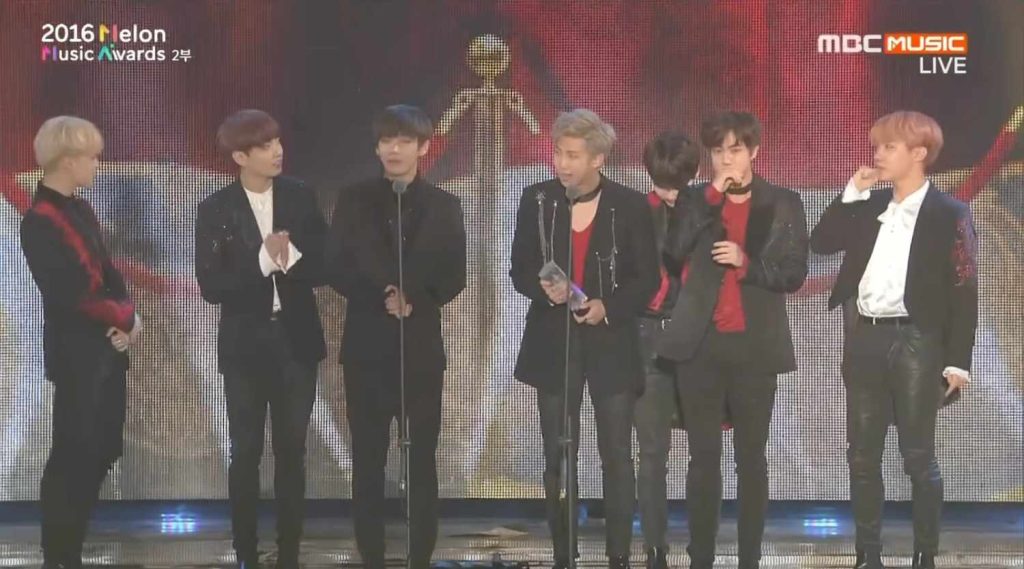
Watching your favorite group accept a Daesang is an emotional rite of passage for any fan. Cue the collective tears! Seeing BTS win theirs for The Most Beautiful Moment in Life: Young Forever is something every ARMY holds dear.
The Impact Of K-Pop Slang On Global Fandom
So there you have it – your comprehensive dictionary to navigating the wild, wonderful world of K-pop! At the end of the day, terms like Daesang and Bias Wrecker are more than just slang; they’re the glue that holds our massive, beautiful global fandom together.
It doesn’t matter if you speak English, Spanish, or Japanese; when you shout the same Fanchant or talk about your Ultimate Bias, we all understand the exact same feeling. This shared language is the biggest impact K-pop has on global culture – it makes us feel like family. Now go forth and stan confidently!
Related Reads:
Conclusion: K-Pop Terms Are Our Fandom’s Universal Language
We’ve officially broken down the key terms, from the dramatic chaos of your Bias Wrecker to the sheer adrenaline of a massive Comeback. But the real magic here isn’t just knowing the definitions; it’s understanding that this unique vocabulary creates a bridge across continents.
Whether we’re streaming the same Title Track or celebrating a Daesang win thousands of miles apart, these words are our immediate connection. This global glossary allows millions of fans to instantly share deep passion, insider jokes, and a sense of belonging.
This is more than just slang. It’s the true cultural handshake of the global K-pop community. Share your favourite K-pop slang terms in the comments!
FAQs
Fans use stan, bias, and ultimate bias (UB) to express their devotion. We also use terms like comeback, fanchant, and selca (Korean for selfie) to talk about the music cycle and our idols’ interactions.
Quotes are usually super inspirational! Try “Dream, Believe, Achieve” or anything about chasing success. Idols also frequently use “Fighting!” (a cheer) and phrases like “I purple you” (coined by V of BTS) to express love.
They use honorifics based on age! Older male members are called Hyung (by males) or Oppa (by females). Older female members are called Unnie (by females) or Noona (by males).
This is a sad term referring to the high rate of groups disbanding or losing members around their seventh anniversary. It’s often because standard idol contracts are typically seven years long, leading to very tough renewal decisions.
The most famous line by BTS’s Jin is arguably “Worldwide Handsome.” He uses this humorous, self-proclaimed title during introductions to make fans and interviewers laugh. It perfectly captures his confident, funny persona!