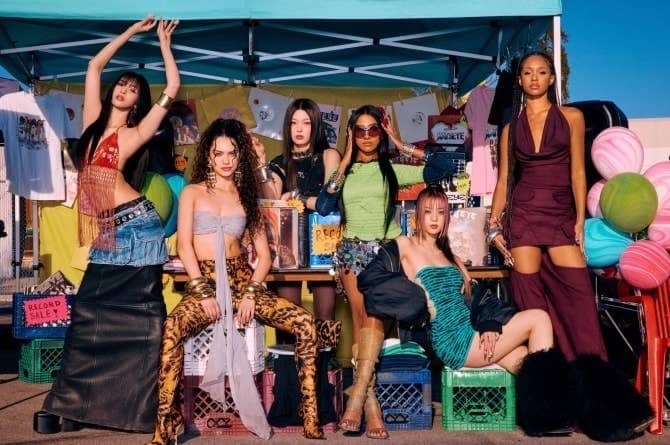
KATSEYE is officially a Global Girl Group, meaning they are not a K-pop group in the traditional sense. They debuted in June 2024, under HYBE and Geffen Records. They were formed through the reality show, “The Debut: Dream Academy.”
So, if they were formed under HYBE, why are they not K-pop? In this article, we’re going to break down the confusion and define the incredible hybrid group we all stan!
Is KATSEYE A K-pop Group (Truth)
KATSEYE is officially a Global Girl Group, co-managed by HYBE and Geffen Records, but is not categorized as K-pop. They debuted in June 2024 after the rigorous, Korean-style survival show, The Debut: Dream Academy.
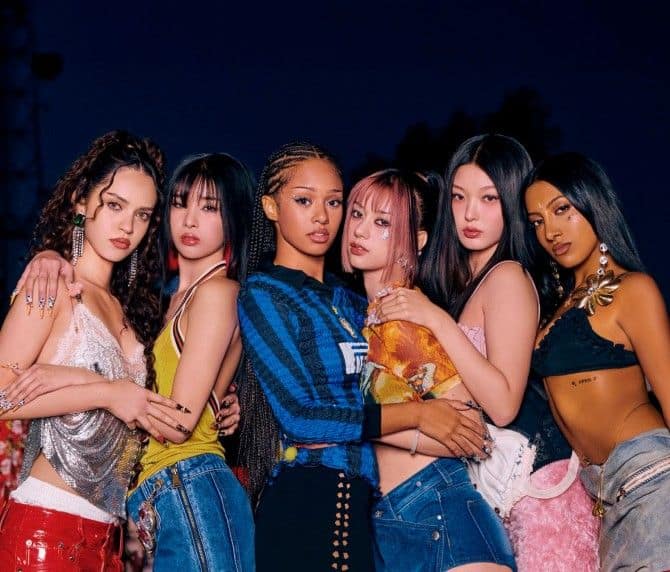
Their primary base is Los Angeles, and their music is predominantly English, targeting the global pop market. They fuse K-pop’s flawless training system with a Western-first market strategy.
The Argument Against K-pop: Why KATSEYE Are “Global Pop”
So, there are certain requirements for a group before they can wear the K-pop badge. In the following sections, I’ll break down why KATSEYE belongs in the Global Pop lane:
Location
K-pop is, at its heart, popular music from Korea. On the other hand, KATSEYE’s main hub is Los Angeles, California, U.S.
They might pop up on Korean broadcasts, and I’ll tell you more about that later. However, their operational headquarters, where they train, record, and plan, is squarely in the States.
Language of Music
KATSEYE’s music is predominantly, if not exclusively, English-language Pop. Go check out their EPs, SIS (Soft Is Strong) or Beautiful Chaos.
Sure, plenty of K-pop groups drop English singles (hello, ‘Butter’!), but K-pop’s foundation is built on Korean-language output. KATSEYE’s primary focus is English, which points to a Western-first strategy.
The Founding Joint Venture
The group was formed via an equal-parts collaboration between HYBE (the K-pop giant behind BTS) and Geffen Records (a massive American label).

From the beginning, this partnership was never meant for building a traditional K-pop group. Instead, it was about creating a worldwide phenomenon designed for the Western charts.
Multinational Membership
KATSEYE’s six members, namely Daniela, Lara, Manon, Megan, Sophia, and Yoonchae, come from different corners of the globe: the U.S., Switzerland, the Philippines, and South Korea.
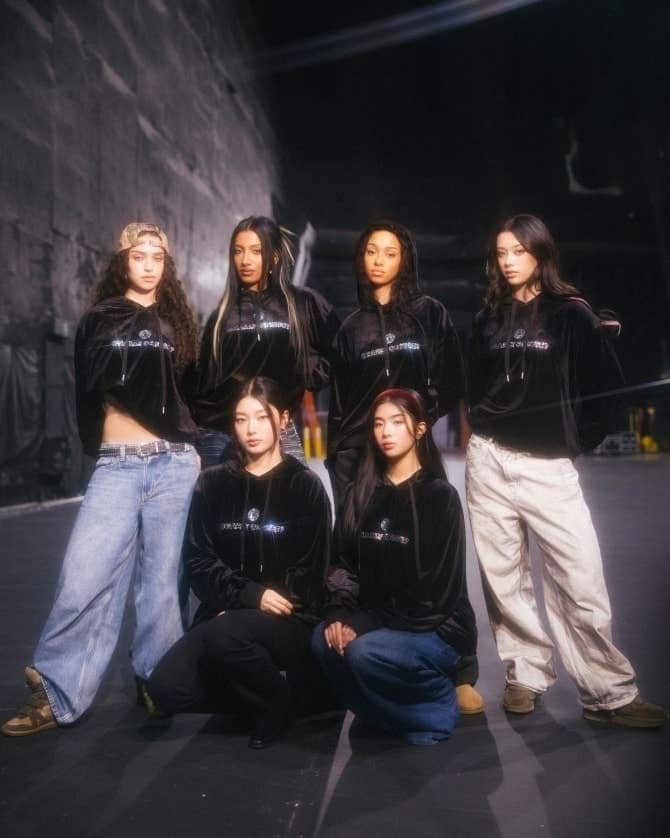
Their diversity is literally their superpower and the core of the “Global Girl Group” identity. Traditional K-pop groups usually have a majority Korean membership, but KATSEYE’s mission is to be globally representative.
Why KATSEYE Feels Like K-pop
Okay, now for the part that gets confusing. If they aren’t K-pop, why do they have that undeniable idol vibe? It all comes down to the system they borrowed.
The K-pop Trainee System
KATSEYE members went through the infamously rigorous and intense K-pop idol development system.
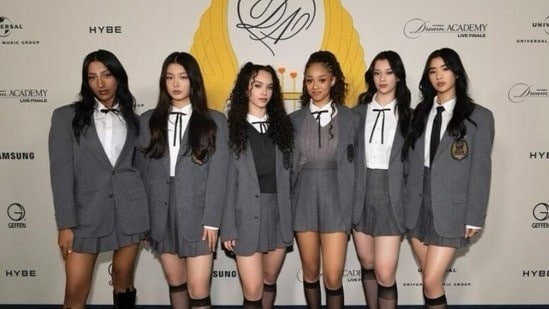
Dream Academy was a reality survival show by HYBE & Geffen Records that formed the global K-pop-inspired girl group Katseye. In the show, the participants went through intense K-pop-style training, missions, and eliminations over 12 weeks, judged by experts and fans. No wonder KATSEYE’s synchronization is so perfect!
The HYBE Connection
KATSEYE operates under the joint venture co-founded by HYBE. It is the same South Korean entertainment corporation behind global acts like BTS and SEVENTEEN. This is the biggest reason why everyone thinks KATSEYE is a K-pop group.
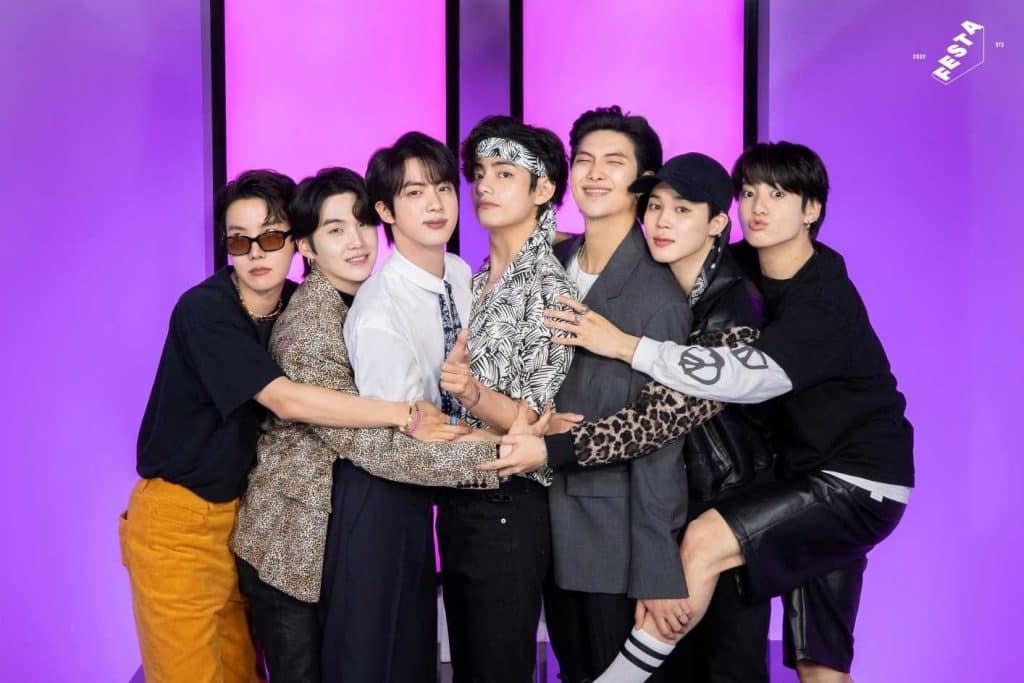
When you’re linked with one of the most recognizable and successful names in K-pop, everyone instantly puts you in that category. Even though they are based in the U.S., the HYBE name is always going to make them a part of K-pop conversations.
K-pop Marketing Elements
The retail side is where the K-pop influence is strongest. You know you’ve joined an idol fandom when the merch drops!
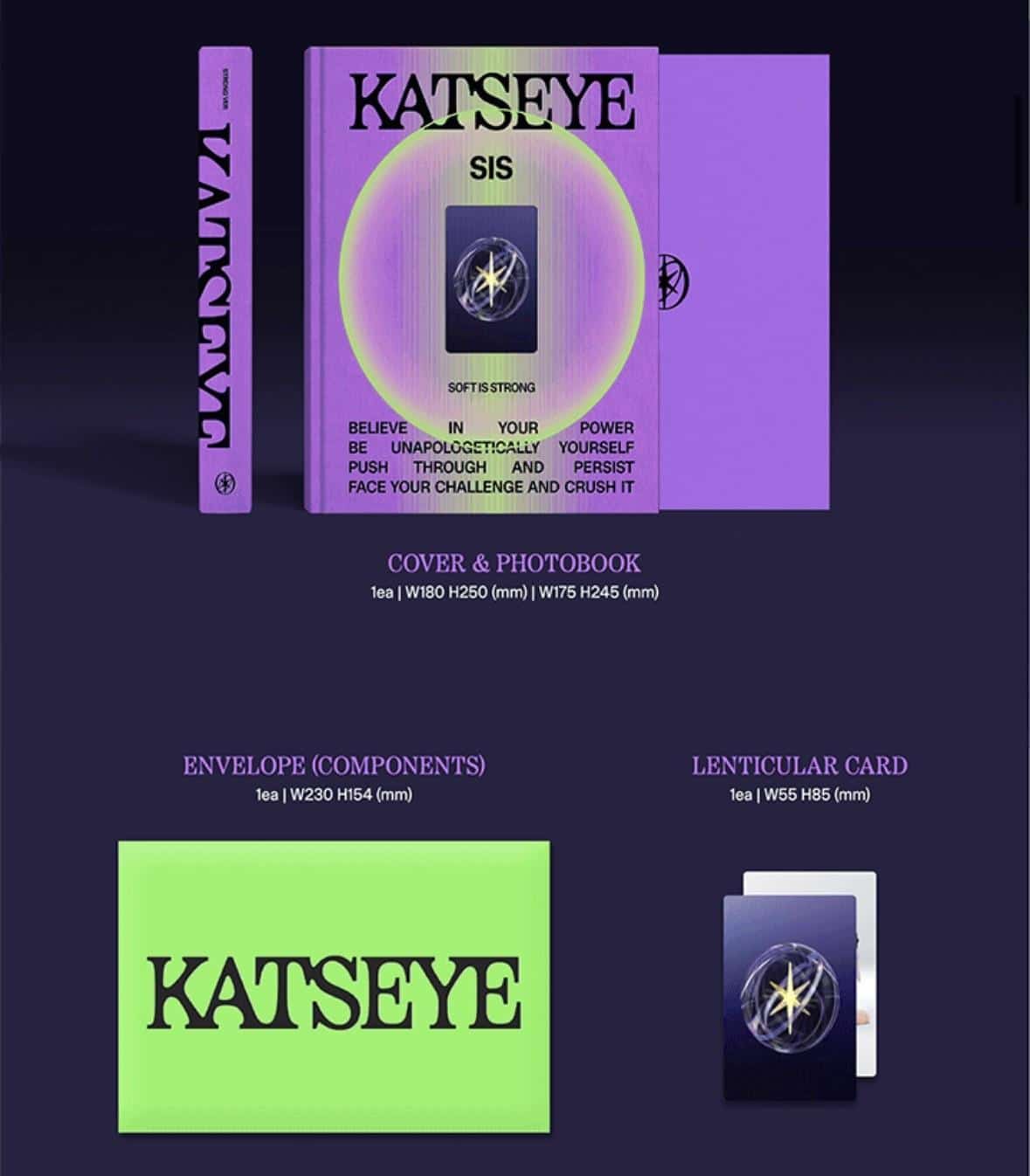
Their physical albums come in multiple versions (think two or three distinct concepts, packaging, and photoshoots). They also include the most important collectible: photocards. These little cards are unique pictures of the members that fans collect and trade.
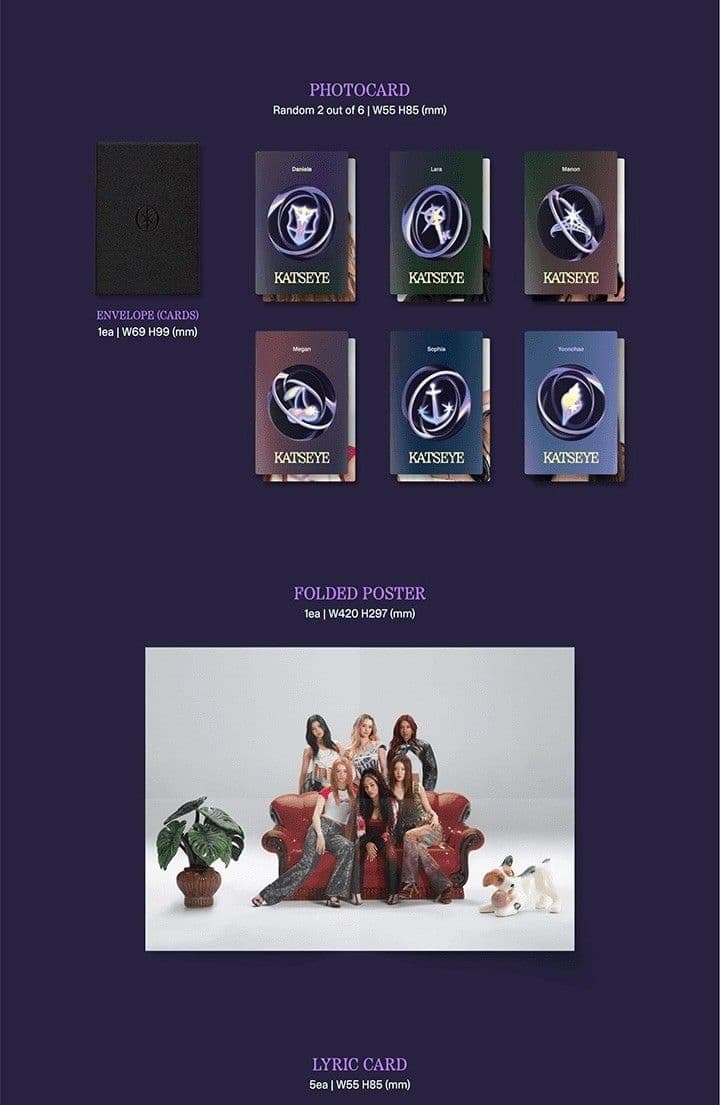
This is a signature marketing staple and is borrowed directly from the K-pop industry!
Korean Promotions
Although KATSEYE was formed in the U.S., they have appeared on Korean shows for their promotions. This is also a major reason for the confusion.
Our girls have taken the stage on major South Korean music broadcast shows (like M Countdown and Music Bank). This is a huge deal because, in the K-pop world, appearing on these weekly countdown programs is the main promotional phase for any group’s comeback. These shows are almost exclusively done by Korean acts.

When KATSEYE performs their English-language music on this traditional K-pop platform, it visually confirms they have the same access and professionalism as K-pop idols. This appearance naturally leads both new fans and international media to categorize them alongside Korean groups.
Related Reads:
Conclusion: KATSEYE Is A Global Girl Group With Strong K-pop Roots
KATSEYE is not a K-pop group, but they have strategically used the K-pop system to stand out in the industry. They took the amazing training, the high-quality music videos, and the strong fan engagement to create a group specifically for the global market.
Since KATSEYE was formed as a collaboration between a Korean and an American company, the group cannot be labelled as K-pop. Moreover, it has members hailing from several corners of the world. They’ve successfully combined the East with the West!
If you’re new to the KATSEYE fandom, I hope this article can clear up the confusion and doubts. To get started, go stream SIS (Soft Is Strong) or Beautiful Chaos right now, and follow them on social media!
FAQs
KATSEYE is managed by a joint venture between HYBE (South Korea) and Geffen Records (U.S.). Their operations are shared between the K-pop corporation and the American music label.
Sophia Laforteza was selected as the leader due to her strong leadership qualities and vocal skills. She is the group’s lead vocalist and acts as a central figure for the members.
KATSEYE’s second EP, Beautiful Chaos, has debuted high on the Billboard 200 chart and charted internationally. Their songs, like “Gnarly,” have also seen major chart attention.
The rankings often fluctuate, but traditionally, artists like V or J-Hope of BTS are often cited as the second-wealthiest male idols, following IU for overall wealth.
Member Yoonchae is a native Korean speaker and is fluent. The group’s primary language for music and promotion is English.