K‑pop generations are informal eras that fans and industry watchers have started using to track how the Korean music industry has evolved. It starts from the late 1990s pioneers and continues to today’s fifth‑generation rookies reshaping global trends.
I’ve compiled the generations by their key groups, recognizable sounds, and even hit records. And of course, shared my 2 cents about them.
Let’s talk about each generation of K-pop one by one and understand how they played their role in making the phenomenon that K-pop is today.
Key Takeaways: Generations Of K-Pop
- Five distinct eras spanning late 1990s to present day
- Each generation reflects major technological and cultural shifts globally
- First gen laid foundations while recent gens conquered international markets
- Generational lines blur as older and newer acts collaborate frequently
- Fan culture evolved from local TV appearances to worldwide streaming
- Sound progression moved from ballads to experimental genre-blending approaches
- Current fifth generation embraces AI marketing and hyper-global concepts
What Are The Generations In K-Pop?
K-pop generations are fan-created categories that help organize how Korean pop evolved over roughly 25+ years of incredible growth and change.
Each generation brought something totally different to the table, from the foundation-building first gen to today’s TikTok-conquering fifth gen acts who are basically rewriting what it means to be a K-pop artist.
The whole thing started as a way for fans to make sense of how dramatically the scene kept changing. One day, you had groups focused purely on the Korean market, and suddenly every K-pop band or group is charting on Billboard and selling out stadiums worldwide.
1st Generation Kpop Groups List (Late 1990s – Early 2000s)
The original trailblazers who established the idol training system and sparked the very first wave of Hallyu.
| Group | Debut Year | Popular Songs | Signature Genre/Sound |
|---|---|---|---|
| H.O.T | 1996 | Candy, We Are The Future | Dance‑pop, early idol rock |
| S.E.S | 1997 | I’m Your Girl, Dreams Come True | R&B‑inspired pop, soft vocals |
| Shinhwa | 1998 | T.O.P, Perfect Man | Dance‑pop, smooth ballads |
| g.o.d | 1999 | Lies, Road | Emotional ballads, pop‑rap blend |
| Fin. K.L | 1998 | Forever Love, To My Boyfriend | Sweet pop, ballad‑pop mix |
H.O.T. invented the modern idol concept with their synchronized dancing and coordinated outfits. They were the blueprint everyone followed. S.E.S. proved girl groups could be just as powerful, bringing this sweet but sophisticated sound that still influences groups today.
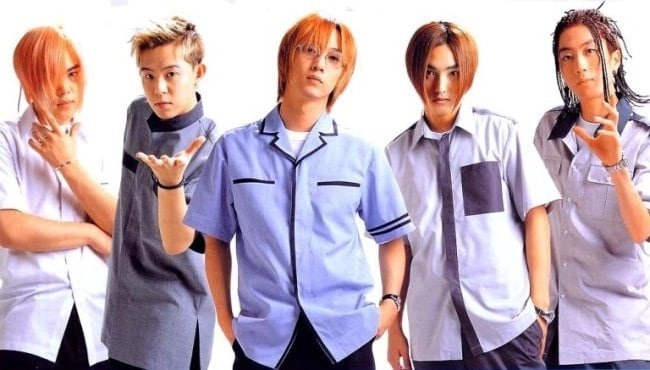
Shinhwa deserves massive credit for longevity. They’re still active and showed everyone that K-pop bands could have staying power beyond just a few hit songs. The training system these groups went through was way more informal than what we see now, but it set the groundwork.

This was the era of foundation years and birth of idol training. Everything felt experimental because nobody knew what Korean pop could become on a global scale. We even saw songs like ‘10 minutes’ by Lee Hyori which are still recognizable today.
Check out the video for yourself. You will immediately get hit by a wave of nostalgia for the early 2000s
2nd Generation Kpop Groups List (Mid‑2000s – Early 2010s)
The generation that figured out how to make K-pop a legitimate international force through YouTube and social media.
| Group | Debut Year | Popular Songs | Signature Genre/Sound |
|---|---|---|---|
| Girls’ Generation | 2007 | Gee, I Got A Boy | Bright electropop, retro‑inspired hits |
| BIGBANG | 2006 | Haru Haru, Fantastic Baby | Hip‑hop, EDM‑infused pop |
| 2NE1 | 2009 | I Am The Best, Fire | Fierce electro‑pop, hip‑hop attitude |
| Super Junior | 2005 | Sorry Sorry, Mr. Simple | Dance‑pop, R&B influences |
| Wonder Girls | 2007 | Nobody, Tell Me | Retro pop, Motown‑inspired tunes |
Girls’ Generation’s (Also known as SNSD) “Gee” was literally everywhere. It’s impossible to overstate how much that song changed everything. BIGBANG brought an experimental edge that nobody expected, mixing hip-hop with electronic sounds in ways that felt totally fresh.
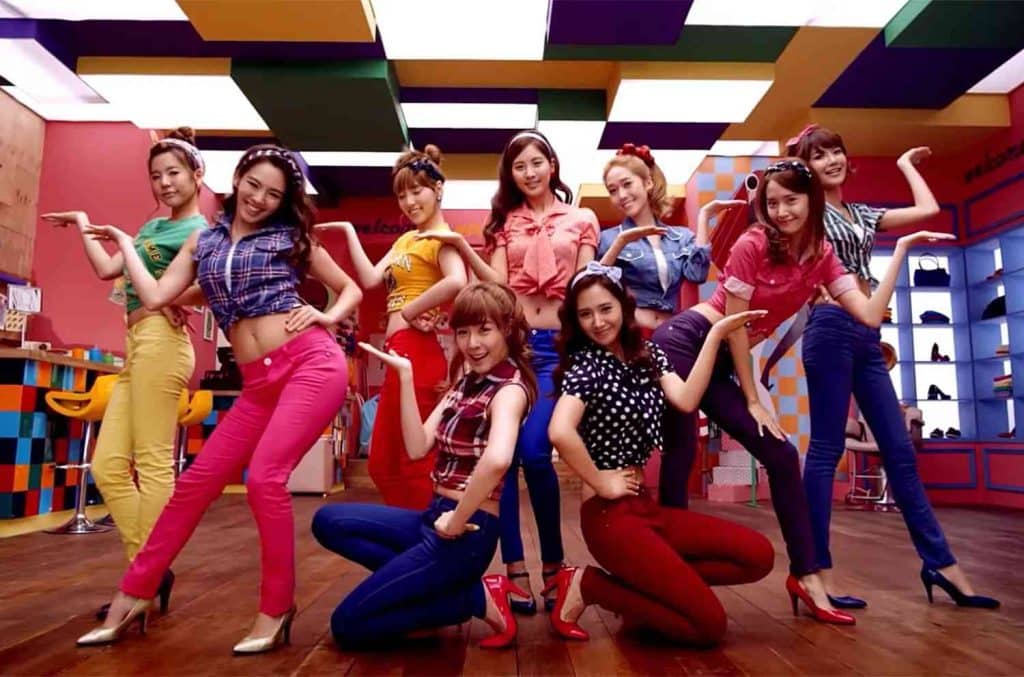
2NE1 had a fierce energy that made them stand out from every other girl group at the time. They weren’t trying to be cute or sweet but were bold and unapologetic. Super Junior proved that larger groups could work if you had the right chemistry and individual personalities.
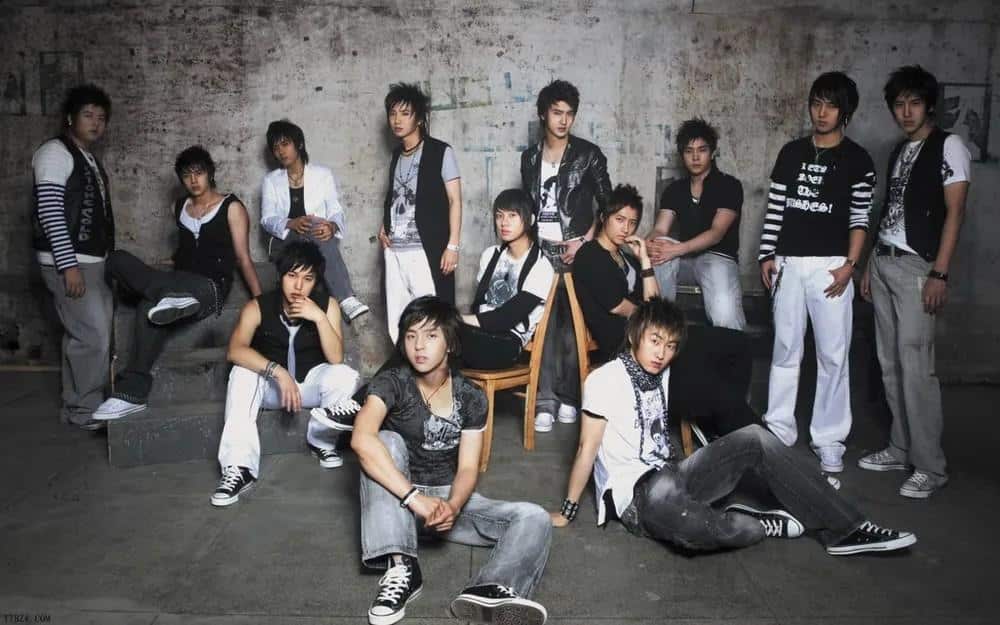
This was the rise of YouTube, global tours, and iconic choreography that people are still copying today. Fan culture exploded with lightsticks, fan cafés, and the first real taste of international recognition that would define all future generations.
Check out BIGBANG, one of the most popular soloists, G-Dragon emerged from this group.
3rd Generation Kpop Groups List (2012 – 2017)
The era when K-pop became a genuinely global phenomenon with Billboard chart success and mainstream Western recognition.
| Group | Debut Year | Popular Songs | Signature Genre/Sound |
|---|---|---|---|
| BTS | 2013 | DNA, Blood Sweat & Tears | Story‑driven K‑pop, EDM & hip‑hop blend |
| BLACKPINK | 2016 | DDU-DU DDU-DU, Kill This Love | Powerful girl crush pop, EDM beats |
| EXO | 2012 | Growl, Love Shot | Polished vocal pop, R&B‑infused |
| TWICE | 2015 | Cheer Up, TT | Bright, catchy pop, cute concepts |
| Red Velvet | 2014 | Bad Boy, Psycho | Dual concepts, soft R&B and quirky pop |
BTS changed everything by proving that K-pop songs could have deep storytelling and social commentary while still being incredibly catchy. What is kpop without BTS at this point? They basically redefined what the genre could be.
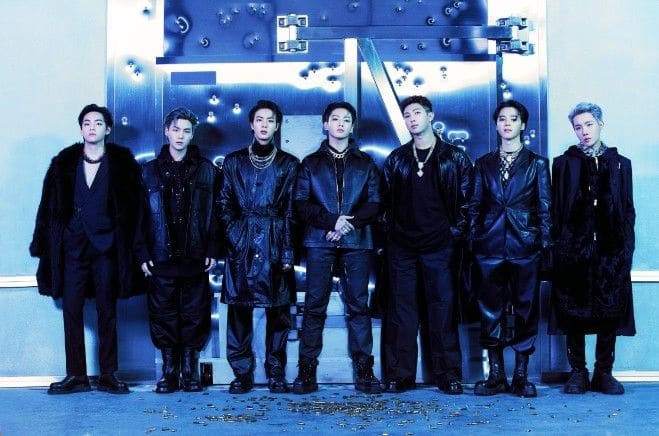
BLACKPINK brought the girl crush concept that felt more mature and internationally appealing. EXO perfected the polished idol sound with incredible vocals and precise choreography. TWICE became the masters of earworm melodies that get stuck in your head for weeks.
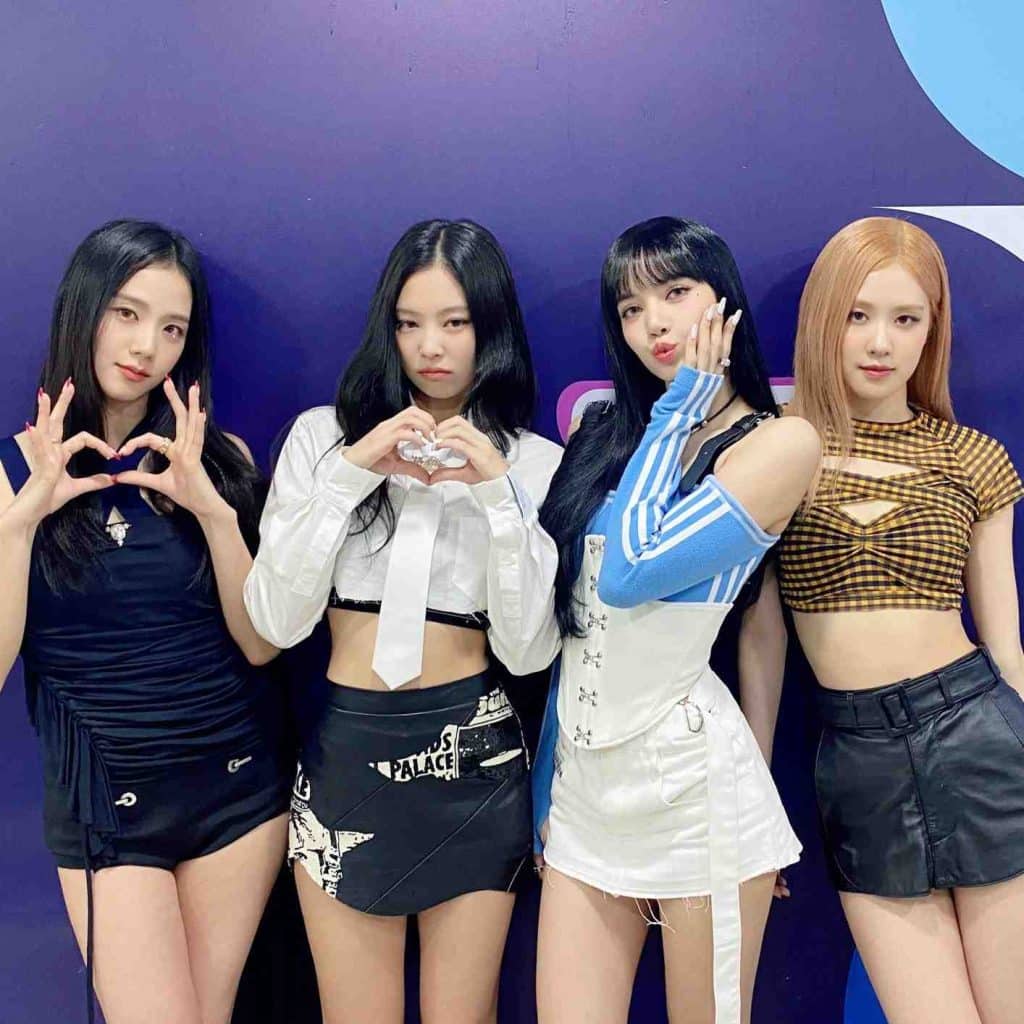
This was the globalization of K‑pop, Billboard entries, and social media domination era. Agencies started investing heavily in storytelling and fandom strategies that could work across cultures and languages. Everything became more intentional and strategic.
Admittedly, I cannot ever choose even the top 5 songs from this generation. It is just full of bangers after bangers. But, FANCY by TWICE will never not come to mind when K-pop as a genre is brought up. Insanely catchy and colourful melodies, check it out for yourself.
4th Generation Kpop Groups List (2018 – 2023)
The performance‑driven generation that embraced genre‑blending and TikTok virality while developing more artistic independence.
| Group | Debut Year | Popular Songs | Signature Genre/Sound |
|---|---|---|---|
| Stray Kids | 2018 | God’s Menu, Thunderous | Self‑produced, experimental beats |
| ATEEZ | 2018 | Wonderland, Say My Name | High‑energy, cinematic pop |
| ITZY | 2019 | WANNABE, Not Shy | Empowering pop, funky bass lines |
| TXT | 2019 | Crown, Blue Hour | Dreamy pop, youth‑centric themes |
| (G)I‑DLE | 2018 | LATATA, TOMBOY | Genre‑blending, strong lyrical identity |
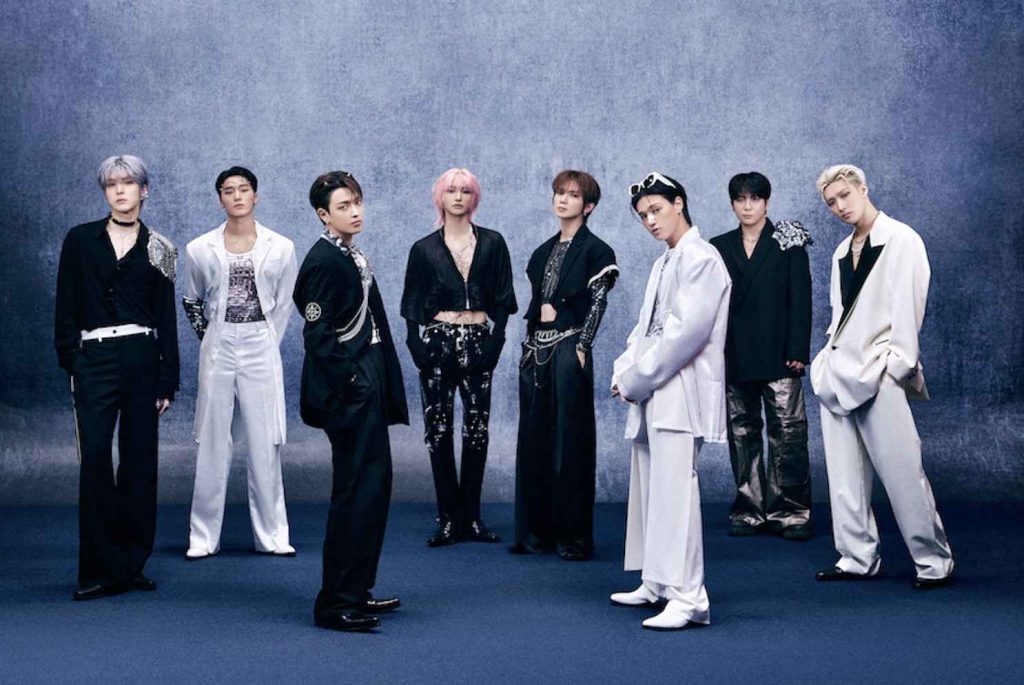
ATEEZ brought this theatrical, almost movie-soundtrack quality to their music that made every performance feel like an event. Stray Kids proved that self-producing could work, they basically control their entire sound and concept now.
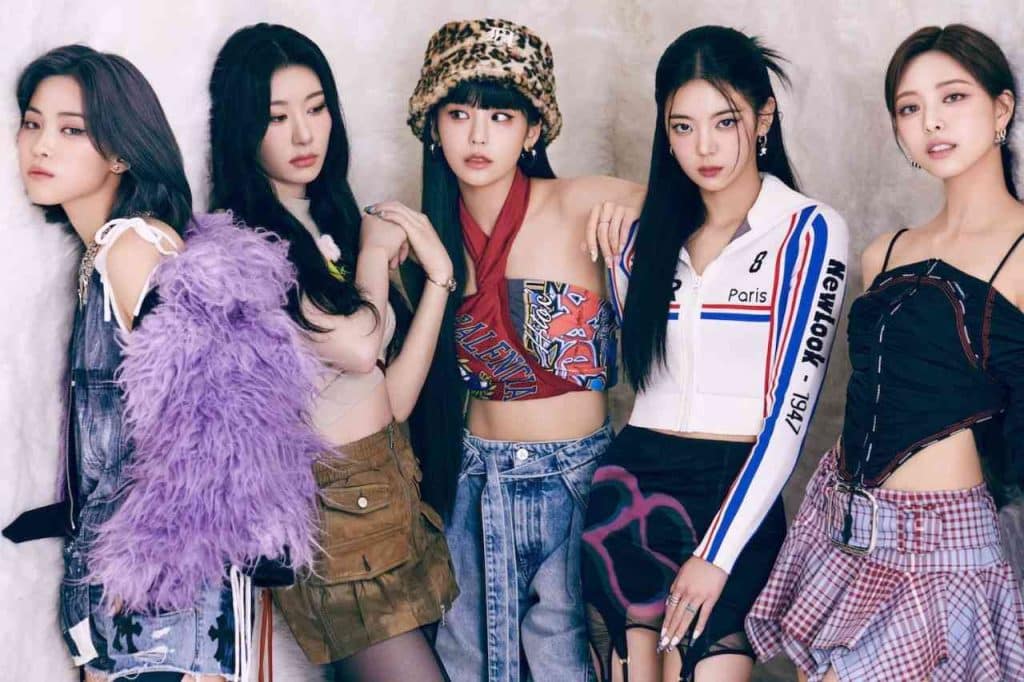
ITZY’s whole “not like other girls” energy resonated with a generation that wanted more empowering messages in their pop music. TXT managed to capture this dreamy, nostalgic feeling that hits different when you’re dealing with the pressures of modern youth.
The big shift here was self‑producing idols and fandoms driving trends in real‑time through social media. TikTok became as important as music shows for breaking new songs. Groups started responding to fan feedback much faster than previous generations ever could.
5th Generation Kpop Groups List (2024 – Now)
The current wave is embracing tech‑savvy rollouts, hyper‑global trainee pools, and AI‑era marketing strategies.
| Key Group | Debut Year | Popular Songs | Signature Genre/Sound |
|---|---|---|---|
| BABYMONSTER | 2023/2024 | Sheesh, Batter Up | YG‑style hip‑hop pop fusion |
| TWS | 2024 | plot twist, hey! hey! | Youthful pop, upbeat melodies |
| ILLIT | 2024 | Magnetic, My World | Fresh girl‑pop, minimal beats |
| KATSEYE | 2024 | debut tracks TBD | Global‑minded pop, co‑creative style |
| BoyNextDoor | 2023 | But Sometimes, One and Only | Easy‑listening pop, playful energy |
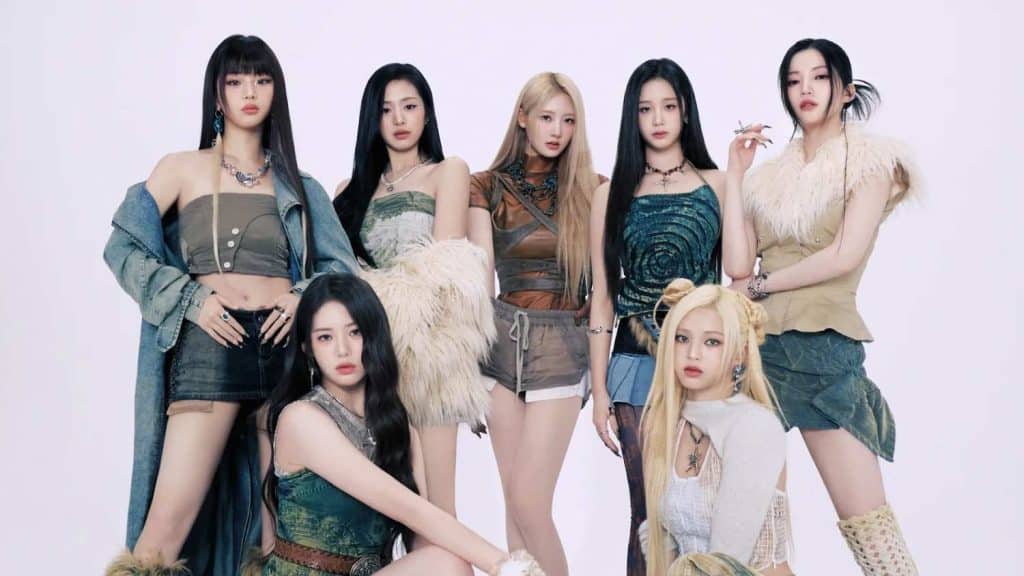
BABYMONSTER is carrying on YG’s tradition of powerful performers, but with this updated sound that feels both nostalgic and futuristic. TWS has this incredibly fresh take on youthful concepts that doesn’t feel forced or overly manufactured.
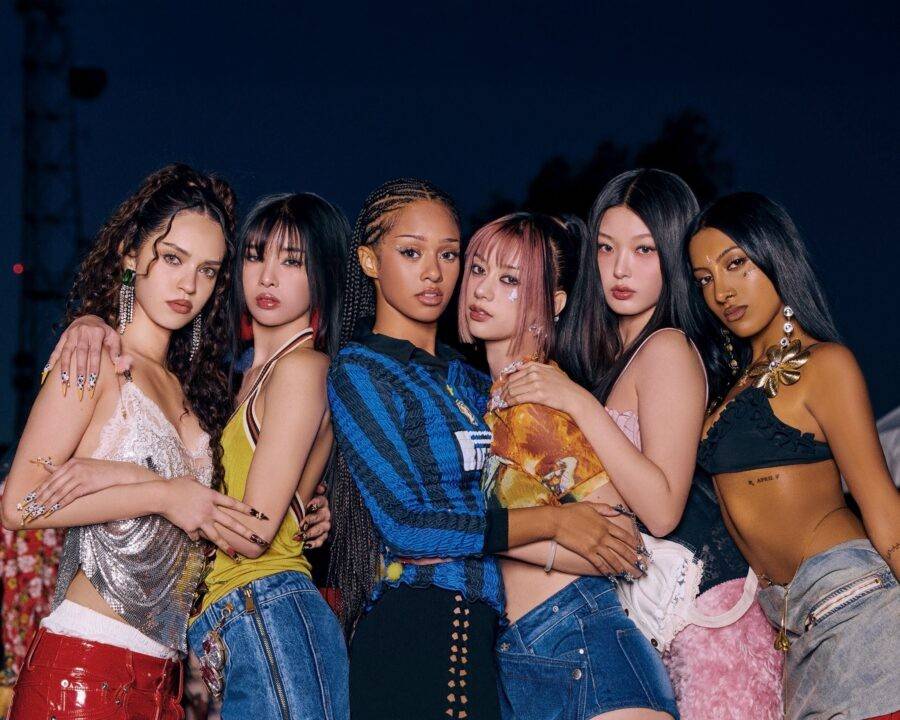
KATSEYE represents something totally new; they’re designed from the ground up to be global, with members from different countries and a concept that transcends traditional K-pop boundaries. It’s like watching the kpop future unfold in real-time.
According to insights from Nylon, this generation is redefining what “idol” means. They’re experimental, less rigid about traditional concepts, and way more interactive with fans than anyone expected. The whole relationship between artists and audiences is changing.
This video from the new boy group “Boynextdoor” will tell you a lot about how fan centric the new groups are. Take a look at the comments to understand more about the new K-pop Idol to fans relationship.
How Are K‑pop Generations Defined?
There’s no official chart or committee deciding the different generations of K-pop. Generations are based on debut years, major trends, and cultural shifts that fans and industry watchers notice over time.
Scholars and media outlets point out that there’s tons of overlap between generations. Some groups debut right at the boundary between eras, so they pick up influences from both sides. It’s more like kpop eras that blend into each other rather than hard cutoffs.
Why Do K‑pop Generations Matter?
- Help fans and newcomers understand how the sound evolved
- Show how technology changes influence everything from promotion to production
- Track the shift from local Korean focus to worldwide dominance
- Explain why certain concepts or sounds were groundbreaking at the time
- Give context for why older fans get nostalgic about specific periods
- Demonstrate how each era built on what came before it
- Let people celebrate the full history instead of just current trends
I mean, each glamour and entertainment industry has its own special defining eras, like Hollywood often refers to its “Golden Age”. But since K-pop is so experimental and bold, this segregation just provides an extra layer of sifting between the acts.
What’s Next For Kpop Future?
The industry is becoming more hybrid, mixing music with advanced technology and global collaborations in ways we’ve never seen before. Virtual idols are already starting to appear, and cross‑platform storytelling is becoming the norm rather than the exception.
My prediction? We’re going to see more niche concepts that target specific global communities, more AI integration in both production and marketing, and probably some completely new formats that nobody’s even thought of yet.
The data shows fans want more personalized experiences and deeper creative involvement.
Related Reads:
Conclusion: The 5 Generations Of K‑pop Span From 1990s To Present Day
When H.O.T. first started doing their synchronized dances in the late 90s, I doubt anyone predicted we’d end up with groups like KATSEYE, who are basically designed to be global from day one.
Each generation built on what came before and threw out what wasn’t working. Second gen figured out YouTube could change everything. Third gen proved K-pop could compete with Western pop on the charts.
Fourth gen said, “Forget the rules, we’re making our own music now.” And now fifth gen is doing things that probably won’t make sense until we look back in a few years. That’s always how it works – what seems experimental today becomes the standard tomorrow.
I can’t have a bias myself. Each generation of K-pop gives me a different feeling and connection. Which generation of K-pop is your favourite?
FAQs
BLACKPINK debuted in 2016, which is in third-gen territory. Their first drops, “Whistle” and “Boombayah,” felt like a massive shift. They came at the same time as BTS and TWICE, when K-pop was starting to get international attention.
K-pop started as simple Korean-pop music with great choreography and catchy visuals, but it has evolved into this phenomenon of content beyond music and into the art, the fashion, the social media, and the fan bases. K-pop is different from J-pop, which is basically Japanese pop music. J-pop also has girl and boy groups and operates similarly, but with very different styles and music.
We’ve moved past fourth gen and are in early fifth gen now. Which started around 2024. Fourth gen was 2018 to 2023 with groups like Stray Kids and ATEEZ. These generational lines aren’t official, fans just use them to make sense of different the music and concepts that emerge every few years.
Not yet. Fifth gen literally just started with groups like ILLIT and KATSEYE in 2024, so we’re nowhere near sixth gen territory. Usually, these generational shifts happen every 5-7 years when something major changes in the industry or technology.
TXT is definitely fourth gen since they debuted in 2019, right in the sweet spot of that era. They’ve got all the fourth-gen traits, genre mixing, heavy social media game, that whole youth-focused vibe. They came up with ITZY and Stray Kids, way before this newer wave of super tech-savvy groups started popping up.