
K-pop idols make money through brand deals, concerts, album sales, streaming, and acting jobs.
But here’s what most fans don’t know: new idols often take home nothing for their first three years. The reason? They owe their company $500,000 or more from training costs, and labels take 70-85% of early earnings.
This article shows you where the money actually goes, who gets paid first, and why being famous doesn’t always mean being rich.
How K-Pop Idols Make Money
The K-pop industry generated $12.8 billion in global revenue in 2026, according to the Korea Creative Content Agency. But what each idol actually earns depends on their contract, how long they’ve been active, and what they do outside of music.
1. Concerts & World Tours
Live shows bring in the most money. Stadium concert tickets cost anywhere from $150 to $600, with special VIP packages going for $2,000. Then there’s merchandise, like the lightsticks, which cost around $65.
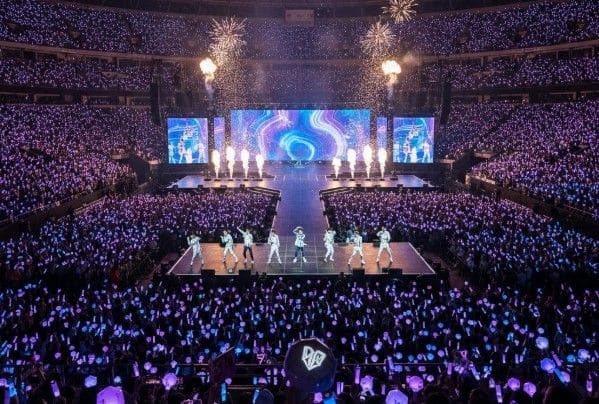
BTS’ 2026 World Tour is projected to gross over $1B in revenue, based on industry projections from Billboard. Members usually keep 30-40% of what’s left after paying for venues and staff.
2. Brand Endorsements & CFs
TV commercials and brand partnerships offer the best money splits, often 50/50 or even better for popular idols. Big luxury brands like Dior, Chanel, and Samsung pay $2 to 5 million per year for an ambassador.

IU, the richest solo K-pop idol with an estimated net worth of $40-45 million, makes about millions yearly just from brand deals. New idols often start smaller, working with local beauty brands for $50,000 to $150,000 per contract.
3. Album Sales & Merchandise
Physical albums are still huge in Korea. A $25 album costs around $12 to make and ship. In a seven-member group, each person might only get $80,000 from 1 million albums sold, and that’s before the company takes its cut.

Fans buy multiple copies to get into fan-sign events, but the actual profit isn’t as big as you’d think.
4. Streaming & Digital Platforms
While many quote a “rate per stream,” Spotify’s official Loud & Clear data reveals that they use a Streamshare model. Instead of a fixed fee, Spotify pools all royalty money and distributes it based on an artist’s percentage of total global streams.
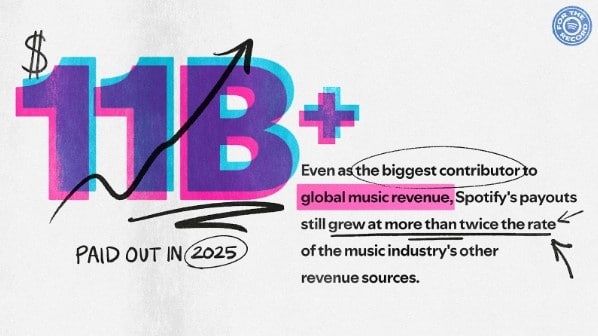
In 2025, Spotify paid out a record $11 billion to the music industry, the largest payout in history.
5. Acting, Variety Shows & OSTs
Solo projects give idols better contract terms. Acting in a TV drama pays nearly $15,000 to $80,000 per episode, depending on the network and how famous you are.

Recording an OST (original soundtrack) pays $30,000 to $100,000 upfront plus royalties. Idols like Cha Eun-woo and Suzy now make more from acting than music, with splits closer to 30/70 in their favor.
The money adds up differently for everyone based on how well their group can negotiate and how strong their personal brand is.
For perspective, BTS’s collective net worth is estimated to be between $150 million and $350 million as of 2026, showing how successful groups can build substantial wealth over time through multiple revenue streams.
Revenue Hierarchy: What Pays Idols the Most
To understand what actually lands in an idol’s bank account, you need to look at both how much money comes in and how the contract splits it up.
| Revenue Source | Profitability for Idol | Reason |
|---|---|---|
| Brand Endorsements (CFs) | Highest | Often a 50/50 split or better |
| Concerts & Tours | High | Ticket + merch sales |
| Acting / Variety / OSTs | Medium | Solo contracts are more favorable |
| Album Sales | Low | High production & marketing costs |
| Streaming | Lowest | Fractions of a cent, split among many |
This explains why top idols go after brand deals and why groups tour so much instead of just releasing music.
What Is K-pop Idol Trainee Debt and Revenue Splits
Before idols get their first paycheck, they’re already hundreds of thousands of dollars in debt to the company for years of training and preparation.
- Trainee debt covers rent, vocal and dance training, language classes, styling, and promotion costs built up before debut.
- Repayment starts as soon as the group debuts and starts making money. Everything they earn goes toward paying off this debt before idols see personal income.
- Revenue splits usually go 70:30 or 80:20 (the company gets the larger share) until the debt is cleared, then shift to 50:50 or 60:40. But “revenue” here means what’s left after production, marketing, and operating costs are deducted.
- New groups make very little because even viral hits don’t guarantee profit. A group that charts well and sells 200,000 albums might still lose money when you add up music video costs, choreography, stylists, and promotion.
This is why groups like LOONA had financial problems despite being known worldwide, while older groups renegotiate for 70-80% of earnings after proving they’re profitable long-term.
Do K-Pop Idols Get Paid Monthly?
Most idols don’t get regular monthly paychecks, especially during their first contract, while they’re paying back training debt and covering costs.
They get paid a few times a year, usually every three or six months, based on what profit is left after company expenses.

Some agencies give small monthly allowances ($300 to $1,000) for personal expenses, but real income only comes once the debt is paid and profit-sharing begins.
Conclusion: K-Pop Idols Make Money Through Brands, Concerts, Album Sales, Etc
Brand deals and tours create actual wealth, while streaming barely pays anything. 2026 brought record-breaking revenue, but contracts still heavily favor companies during those crucial first years.
As more idols start their own labels and renegotiate from stronger positions, the 2026-2030 period will likely change how artists get paid. Trainee debt isn’t going away, but at least people are talking about it more openly now.
Also Read: How Much Do K-Pop Idols Get Paid
FAQs
Idols earn through brand deals, tours, albums, streaming, and acting, with payments coming after trainee debt and company costs are covered, usually every few months.
IU is currently the richest solo K-pop idol with an estimated worth of $40-45 million, earned mainly through brand deals, concerts, and acting work.
Korean law limits entertainment contracts to seven years maximum, letting idols renegotiate better terms or leave their agency after that time without legal penalty.
Most idols get paid every few months based on profits rather than monthly salaries, though some get small monthly allowances for personal expenses early on.
Hourly pay doesn’t exist since idols work on profit-sharing, but established stars make $50,000 to $200,000 per event appearance based on their individual popularity.
ENHYPEN members likely earn $100,000 to $300,000 each per year after debt repayment, with more experienced members potentially making $500,000 or more through endorsements and tours.