The K-pop industry has one of the most devoted fanbases on the planet, but behind the synchronized choreography and flawless visuals lies a system that doesn’t always protect the people inside it.
If you’re new to the K-pop world, you’ve probably already noticed how much is expected of K-pop idols: the perfect looks, the perfect performances, the perfect public image, 24/7.
What you might not know yet is just how early those expectations start, how deep they go, and what they cost.
This isn’t about hating the genre, far from it. It’s about understanding the full picture of an industry we love.
Because the more you know about how the idol system actually works, the more you appreciate what these artists push through just to make it to a stage. So let’s get into it.
The Systemic Pressures of the Kpop Trainee Pipeline
Before a single fan ever learns their name, most K-pop idols have already spent years inside one of the most demanding systems in the entertainment world.
The K-pop trainee pipeline typically starts recruiting kids as young as 11 or 12, pulling them into a grueling schedule of vocal coaching, dance training, language lessons, and image management, often while they’re still in school.

Major K-pop agencies like HYBE, SM Entertainment, JYP, and YG run these programs like corporate machines, and the structure is intentional: build a product before you build an artist.
That “product” is expected to be pretty much flawless. Physical appearance standards in K-pop are notoriously strict. Weight, skin, facial symmetry, and style are all monitored and managed by the label.
Add to that the pressure to maintain vocal stability, dance precision, and a spotless public reputation, and you’ve got a near-impossible bar set for teenagers.
And then there’s the money. Launching a K-pop group costs millions of dollars, and rookies feel that weight immediately. The pressure to recoup training costs and turn a profit quickly leaves little room for growing pains or just being a kid.
Structural Vulnerabilities Within Kpop Entertainment Agencies
The issues don’t stop at debut. Once an idol is active, the structural conditions within K-pop agencies have historically created environments in which basic personal freedoms are the first to go.
Mandatory dorm living, strict curfews, monitored communication, and blanket bans on dating have all been standard practice across major labels, conditions that would raise serious flags in almost any other professional context.
Then there’s the schedule. K-pop promotional cycles are relentless: back-to-back comebacks, variety show appearances, fan sign events, international tours, and award show seasons, often with little to no recovery time built in.
Chronic exhaustion and sleep deprivation aren’t anomalies in this industry. Unfortunately, for many idols, they’re just the baseline.

The financial picture adds another layer. Many idols have spoken publicly about waiting years before seeing meaningful income.
This is largely due to opaque settlement and recoupment structures that deduct training costs, production expenses, and agency fees before any earnings reach the artist.
It’s a system that kept (and in some cases still keeps) idols financially dependent on the very companies controlling every other aspect of their lives.
The Psychological Impact of Global Fandom Dynamics
Fame in K-pop doesn’t come with much breathing room.
Fan engagement platforms like Weverse and bubble have normalized round-the-clock idol access, creating an unspoken expectation that artists are always emotionally available: late at night, during rest periods, in the middle of tour runs.
That kind of parasocial labor is exhausting in ways that rarely get acknowledged publicly.
Dating is another minefield. When an idol’s relationship goes public, the fallout from certain fan corners can be immediate and brutal, including mass unfollowing, streaming boycotts, and coordinated harassment.
What should be a private milestone gets treated as a brand liability, entirely because some fans have confused a parasocial connection for an actual one.

Online, the damage can escalate fast. Algorithm-driven hate campaigns, manipulated video edits, and the growing threat of K-pop deepfakes can destroy reputations within hours and reach millions before a correction ever surfaces.
And then there’s the physical reality of sasaeng culture: obsessive individuals who track idols’ private schedules, breach airports, hotels, and personal residences, and sometimes pay insiders for access.
It’s not a fringe issue. For many high-profile K-pop idols, invasive stalking is a near-constant threat that no amount of fame or security fully neutralizes.
Broader Societal Influences on the Industry Environment
To understand why the K-pop industry operates the way it does, you have to zoom out and look at South Korean society itself.
South Korea’s hyper-competitive culture, shaped by intense academic pressure, hierarchical workplace dynamics, and deeply ingrained standards of discipline and public presentation, doesn’t disappear when someone walks into an entertainment agency. It gets amplified.
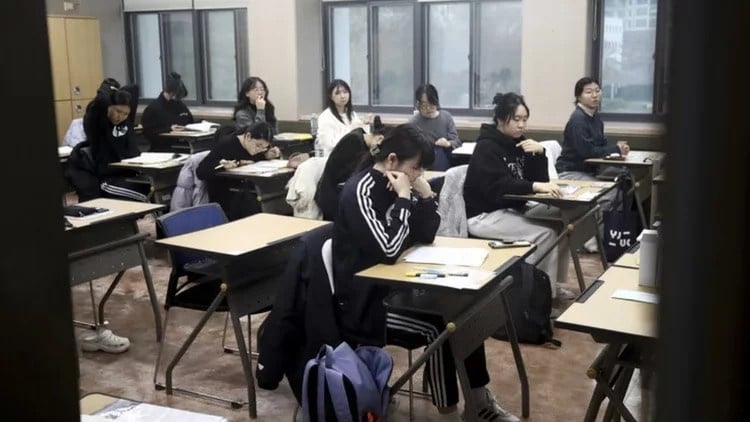
The expectation that idols maintain a flawless image at all times isn’t just an industry rule; it’s a reflection of broader Korean societal norms around success, sacrifice, and appearance.
Mental health sits at the center of this tension. Traditional cultural attitudes in South Korea have historically framed psychological struggle as a personal failing rather than a medical reality, creating real barriers to early mental health intervention.
For idols performing strength and happiness as part of their job, asking for help can feel (and sometimes professionally be) an impossible ask.
The Evolution of Modern Industry Protections
Things are shifting, slowly, but meaningfully.
On January 1, 2026, South Korea’s Ministry of Culture, Sports and Tourism enforced revised standard contracts for pop culture artists and trainees, introducing stringent new obligations on entertainment agencies with a focus on transparency, minor protections, and mental health support.
Practically, that means agencies are now legally required to provide access to counseling and psychiatric treatment, detailed settlement reports with specific expense breakdowns, and explicit bans on pressuring minor trainees to skip or drop out of school.
Compensation clauses have also been tightened, replacing vague “reasonable period” language with mandatory payment deadlines after contract termination.
It’s not a perfect system (enforcement gaps remain real), but it’s the most concrete legislative movement the K-pop industry has seen in years.

The culture around mental health hiatuses has shifted, too. Where an idol taking a break once risked being quietly shelved, labels and fandoms alike are increasingly normalizing administrative pauses for psychological well-being.
This is a change that reflects both growing awareness and genuine public pressure from fans who’ve lost artists to crisis.
Meanwhile, veteran idols are rewriting their own terms.
More established acts are leveraging their brand equity to renegotiate contracts, launch independent sub-labels, and establish creative and personal boundaries that simply weren’t on the table a decade ago.
It’s a slow-moving power shift, but it’s real.
Conclusion: K-pop Culture Is Toxic, But It’s Changing
The K-pop industry has never been easy on the people who built it. The trainee pipeline, the agency structures, the fandom dynamics, the societal pressures, all of it stacks up into a system that has historically asked too much and protected too little.
But awareness is currency, and right now there’s more of it than ever, from legislators, from labels, and from fans who refuse to separate their love for the music from accountability for the machine behind it.
Supporting K-pop means supporting the humans inside it. That’s not anti-industry. That’s just being a real fan.
FAQs
For K-pop idols, the industry’s demands have documented mental health consequences. For fans, it depends on engagement habits. Healthy fandom is fine; obsessive or parasocial extremes can be genuinely harmful.
The K-pop 7-year curse refers to the pattern of groups disbanding or fracturing around the seven-year mark, typically when initial exclusive contracts expire, and members reassess their futures independently.
No. Enjoying K-pop music isn’t inherently sinful by any mainstream religious standard. Like any entertainment, it comes down to how it affects your values, priorities, and the content you engage with.
Not globally. While some markets have plateaued, K-pop’s international fanbase continues expanding, particularly in Southeast Asia, Latin America, and Africa, with fourth and fifth generation groups actively pulling in new audiences.
That’s a personal conviction. Most K-pop music is pop-oriented and lyrically neutral. Christians who engage with secular music generally apply the same discernment they would to any mainstream genre. Content and intent matter most.